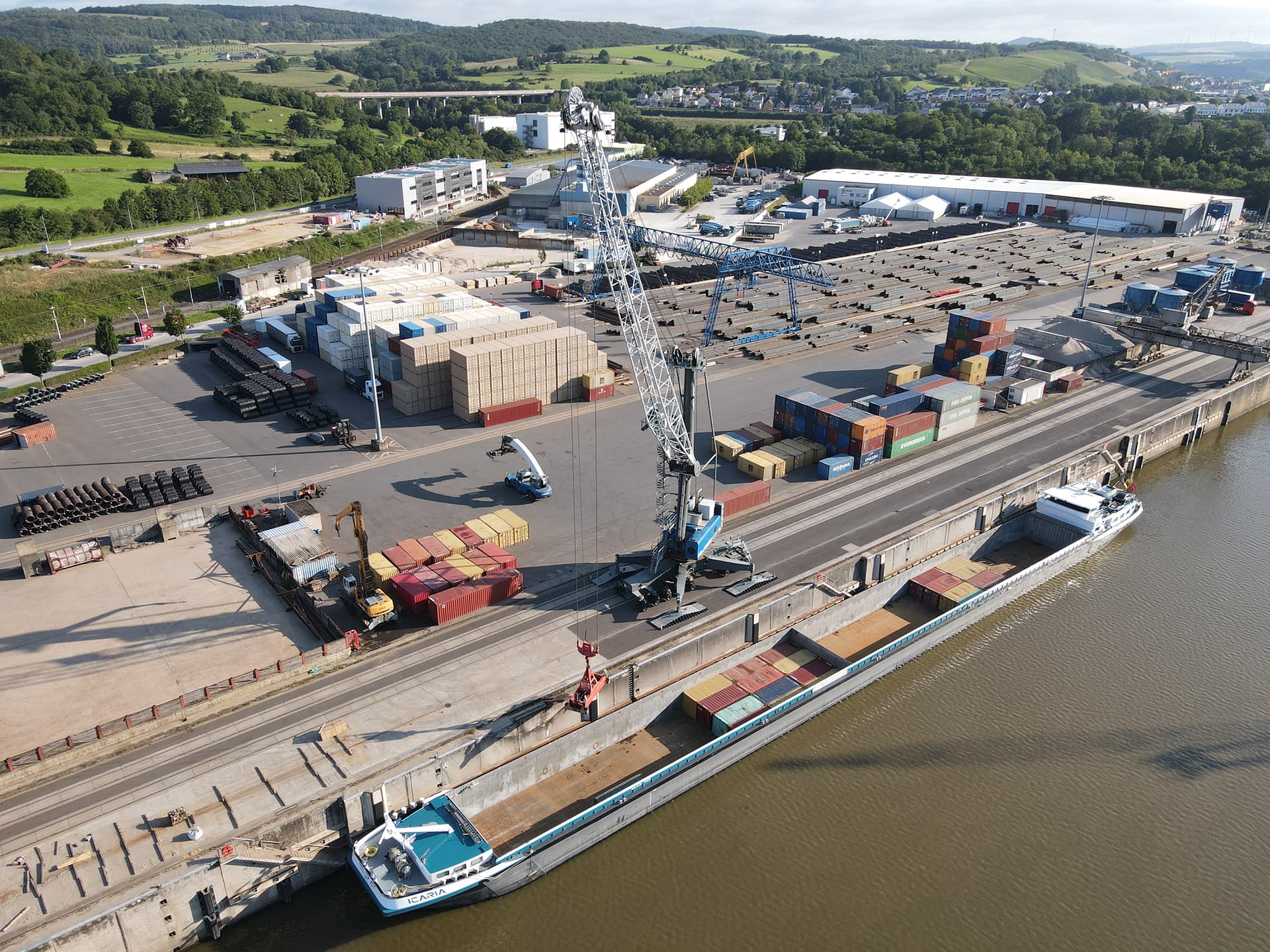
Luxembourg's fuel deliveries are under increasing strain due to a dual impact on its transportation infrastructure. The country is grappling with reduced capacity on inland waterways, specifically the Moselle River, caused by persistent low water levels from drought conditions. This natural phenomenon significantly impedes barge traffic, a crucial mode for bulk fuel transport.
Compounding this issue, a planned three-week closure of a key rail line near Bettembourg is set to further restrict fuel logistics. This essential rail artery typically handles a substantial volume of freight, including fuel, and its temporary unavailability will divert traffic or halt movements, exacerbating the existing supply chain vulnerabilities.
For freight forwarders and logistics managers, this situation implies potential delays and increased costs for fuel shipments into Luxembourg. The reliance on alternative, less efficient, or more expensive transport modes will likely lead to higher operational expenditures. Forwarders should anticipate longer transit times and consider securing fuel supplies well in advance, exploring all available routing options, and communicating proactively with clients about potential disruptions. The combined effect of these constraints could also impact the availability and pricing of bunker fuels for other transport modes operating within or through Luxembourg.
Luxembourg's government is actively monitoring these developments, indicating the seriousness of the situation. While the article does not specify immediate next steps, continued vigilance and potential contingency measures from authorities and logistics providers will be crucial to mitigate the impact on fuel supply.