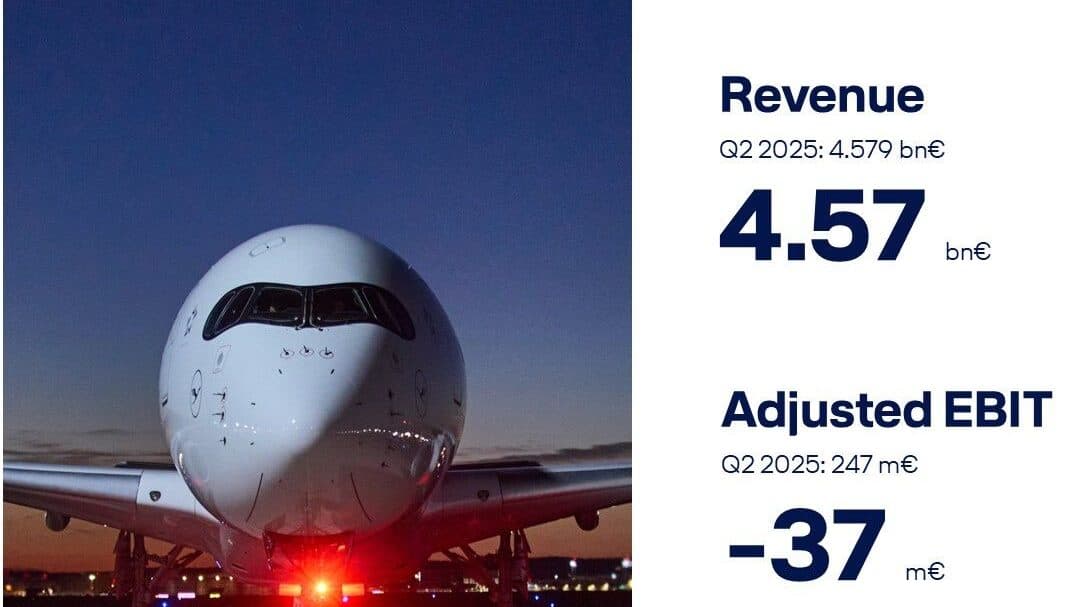
Lufthansa Airlines has reported a financially challenging first half of the year, marking one of its weakest performances outside of the pandemic era. The primary factors contributing to this decline in profitability were identified as the ongoing conflict in Iran, a substantial increase in fuel costs, and various industrial actions.
While the passenger airline division consequently revised its financial outlook downwards, Lufthansa Cargo demonstrated a robust performance. The air cargo arm recorded strong growth in the second quarter, with its revenue climbing by 27% to €1 billion and its Earnings Before Interest and Taxes (EBIT) increasing by 58%.
For freight forwarders and logistics professionals, this situation highlights the volatility of the air cargo market. While passenger belly capacity might see continued pressure due to airline financial struggles, dedicated cargo operations like Lufthansa Cargo appear to be resilient and even thriving in certain conditions. The impact of geopolitical events and fuel price fluctuations remains a critical consideration for airfreight rates and capacity planning. Forwarders should monitor these factors closely as they directly influence operational costs and service availability.