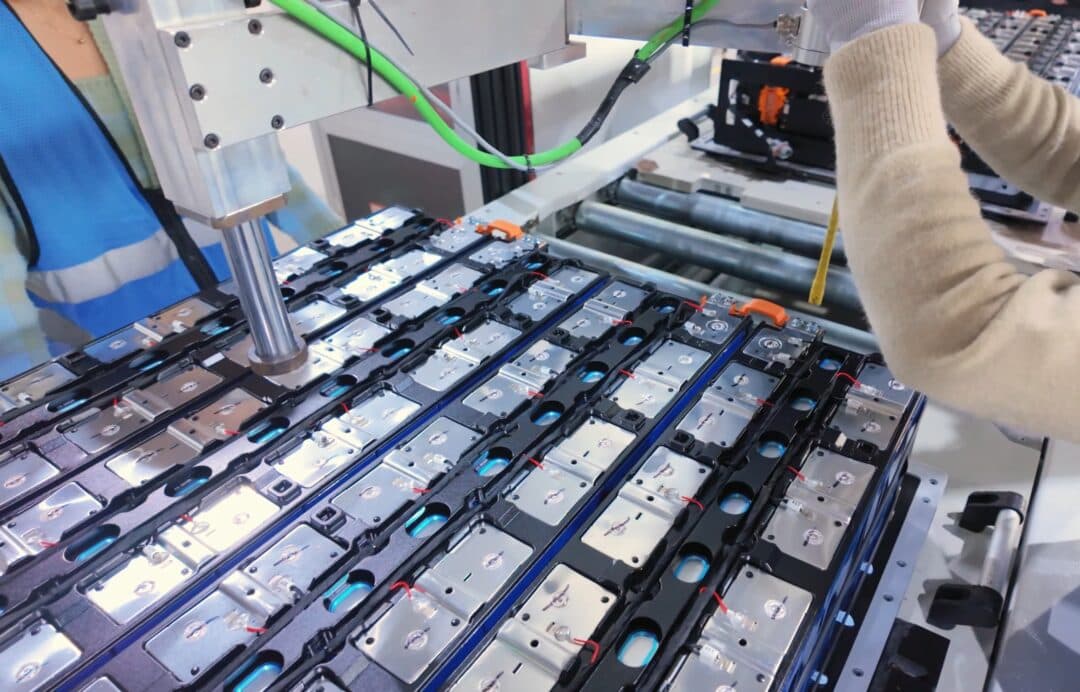
Scientists at King Abdullah University of Science and Technology (KAUST) have developed a laser sensor capable of detecting hydrogen fluoride (HF) gas, a key byproduct released during the initial stages of lithium battery thermal runaway. This innovation aims to improve air cargo safety by providing real-time monitoring of battery health, rather than solely depending on packaging standards, state-of-charge limits, and shipper declarations.
The current air cargo regulations for lithium batteries primarily focus on preventative measures such as robust packaging, limitations on state of charge, and accurate documentation. However, these methods do not offer real-time insight into a battery's condition during transit. The KAUST sensor could bridge this gap by detecting HF gas, which is emitted well before visible smoke or fire, allowing for earlier intervention.
For freight forwarders and air cargo operators, this technology could significantly enhance safety protocols and reduce the risk of onboard fires. Early HF detection could trigger a series of alerts, from increased monitoring and isolation of the Unit Load Device (ULD) to emergency procedures. This proactive approach could minimize cargo damage, prevent aircraft diversions, and ultimately save lives. It also offers a potential path to safely transport a wider range of battery-powered goods, provided reliable thresholds and trend analysis capabilities are established.
While the technology shows promise, its widespread adoption would require the development of reliable detection thresholds, robust trend analysis capabilities, and integration into existing air cargo monitoring systems. Further research and regulatory approval would be necessary to implement this solution across the industry.