Japan's Ministry of Land, Infrastructure, Transport and Tourism, in collaboration with the Ministry of the Environment, has announced the opening of applications for the second funding round of its Support Programme for the Introduction of Zero Emission Vessels. This initiative, managed by the Japan Ship Technology Research Association, is a five-year program with a budget of ¥15 billion (approximately $95 million USD).
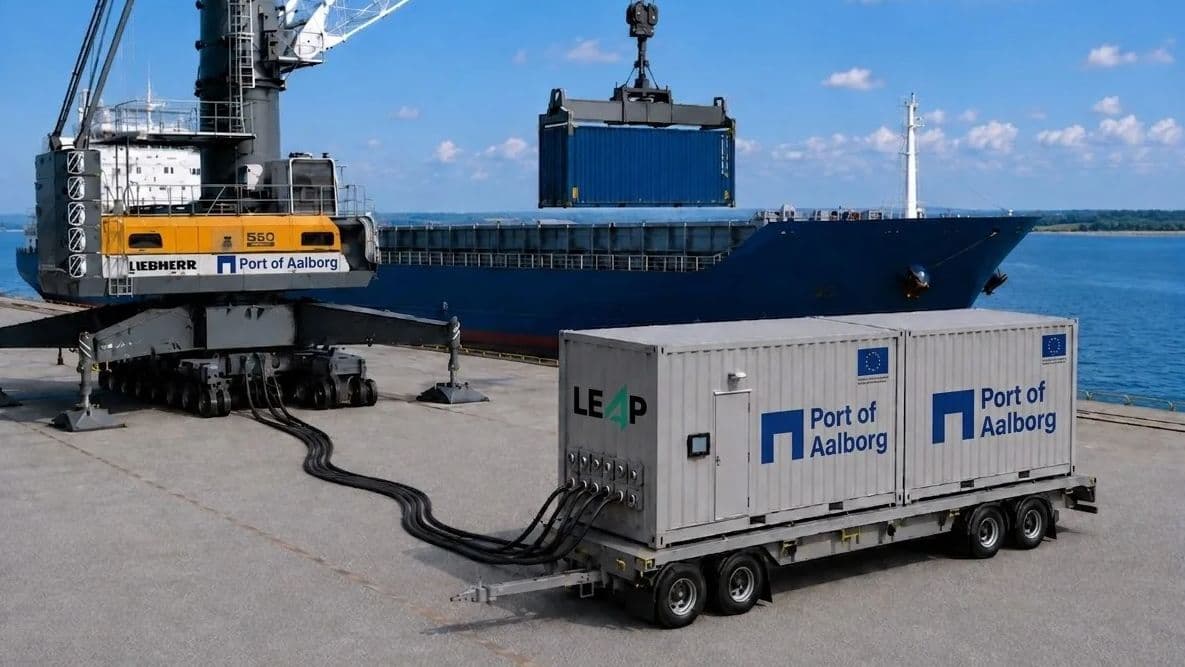
The program's primary objective is to provide partial financial support for the technological advancements required to develop zero-emission ships. The current funding round specifically targets propulsion systems utilizing hydrogen, ammonia, and electricity. This includes critical components such as engines, fuel tanks, fuel supply equipment, batteries, and shore power infrastructure. The program also extends support to methanol-fueled and hybrid vessels.
For freight forwarders and logistics professionals, this initiative signals Japan's commitment to sustainable shipping and could influence future vessel availability and routing. As more zero-emission vessels enter service, there may be new opportunities for green shipping corridors and potentially differentiated freight rates for environmentally conscious cargo. Forwarders should monitor the development and deployment of these vessels, as they could impact supply chain planning, particularly for routes involving Japan or carriers investing in these technologies. The focus on alternative fuels like ammonia and hydrogen also highlights the ongoing shift in bunkering infrastructure needs and potential changes in port operations to accommodate these new energy sources.