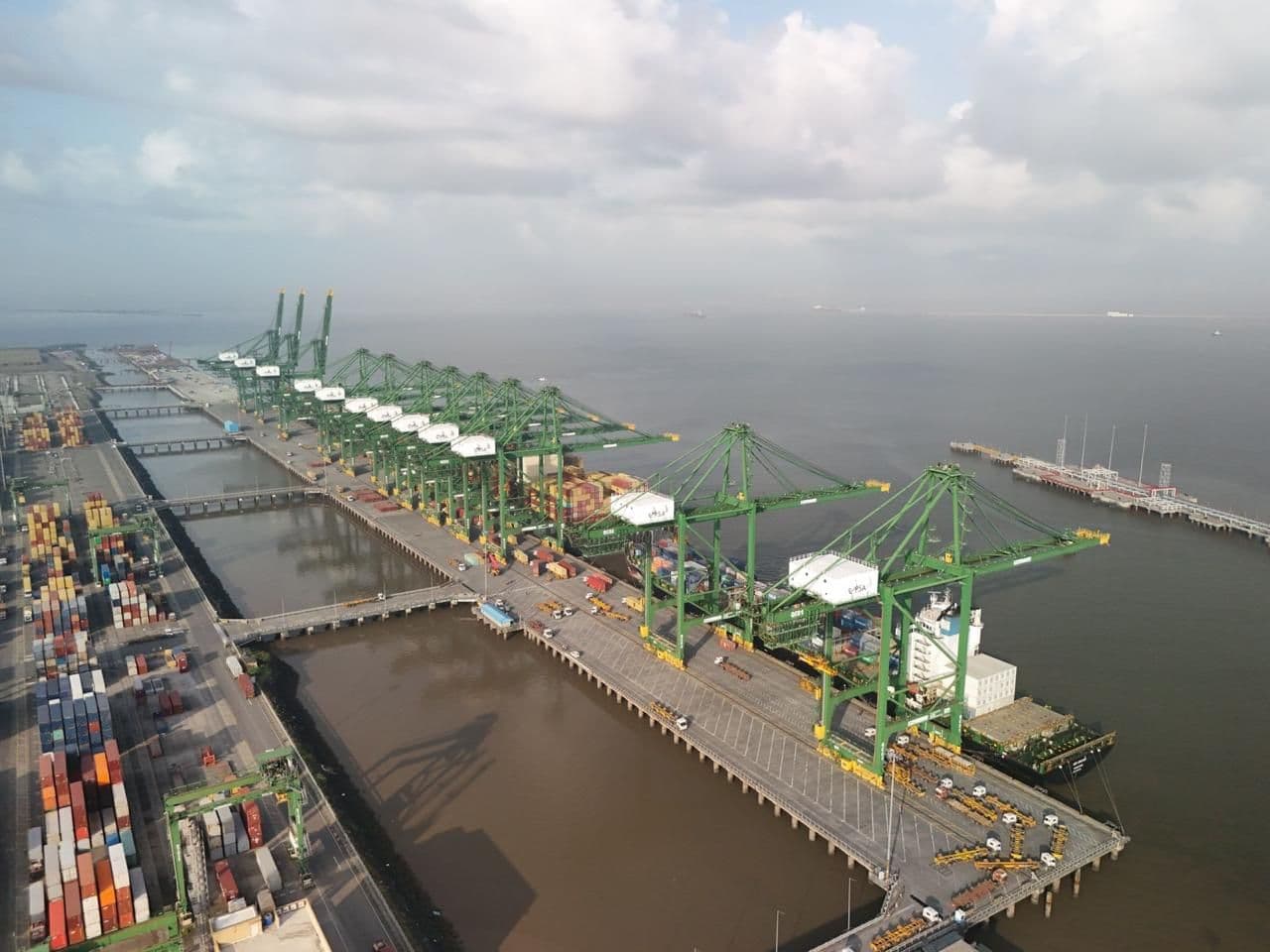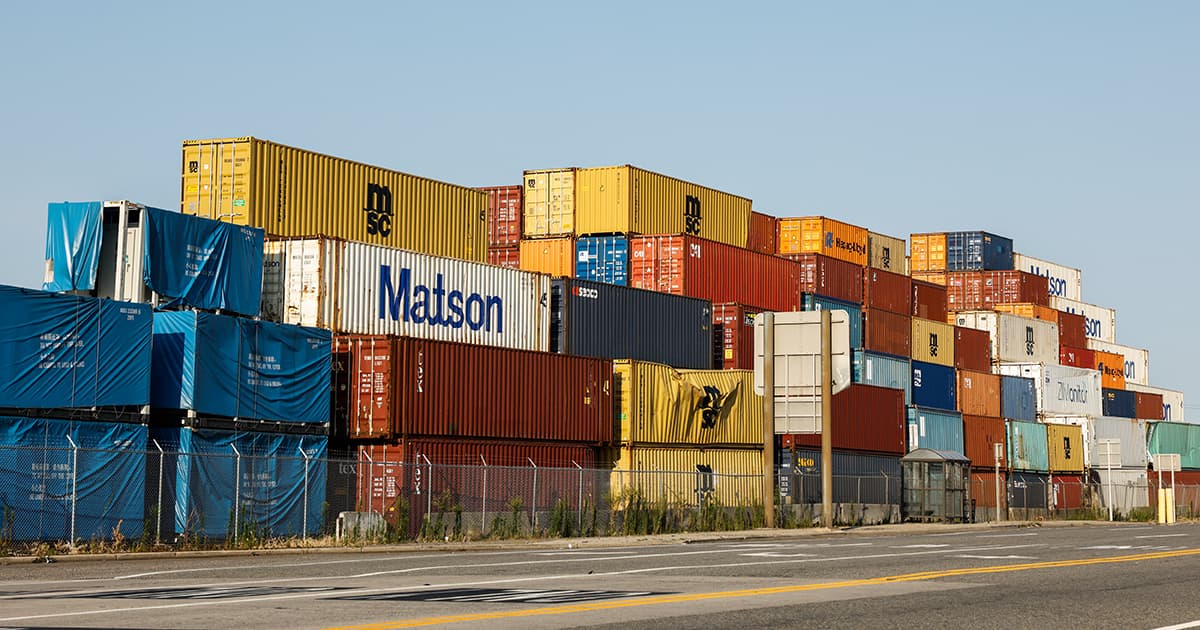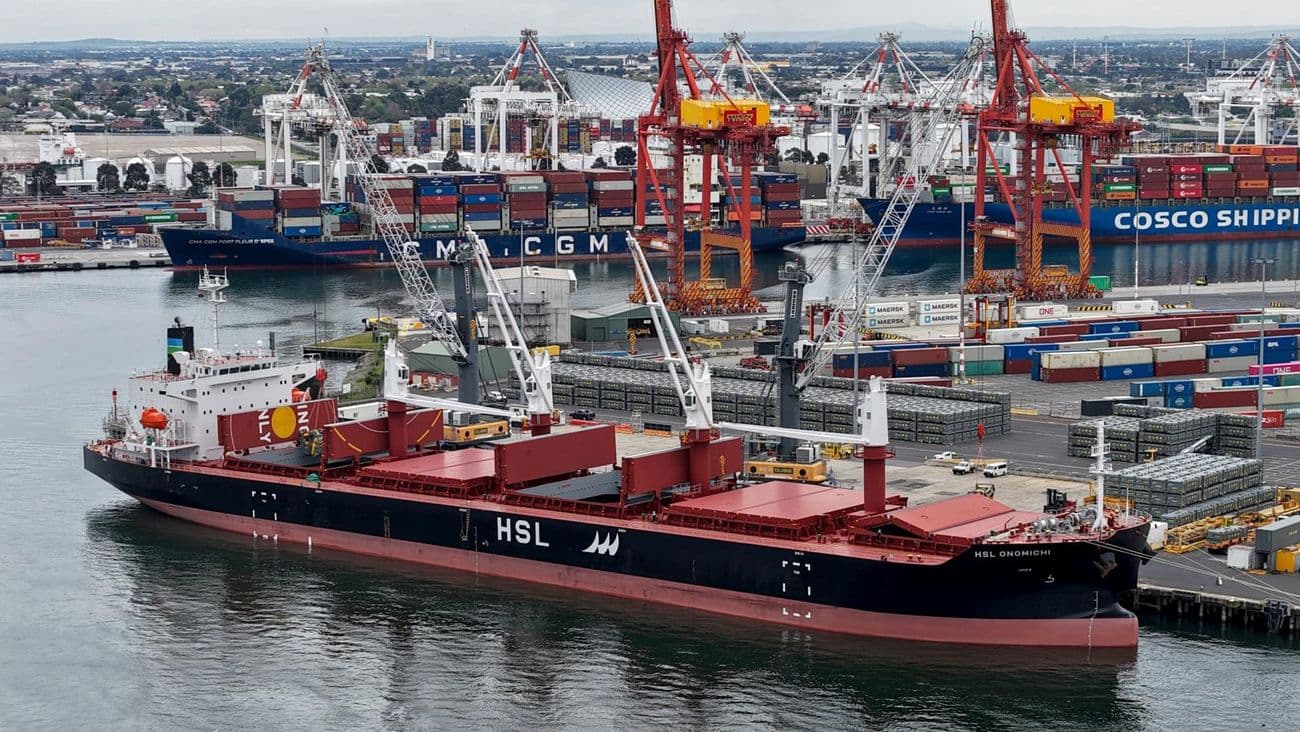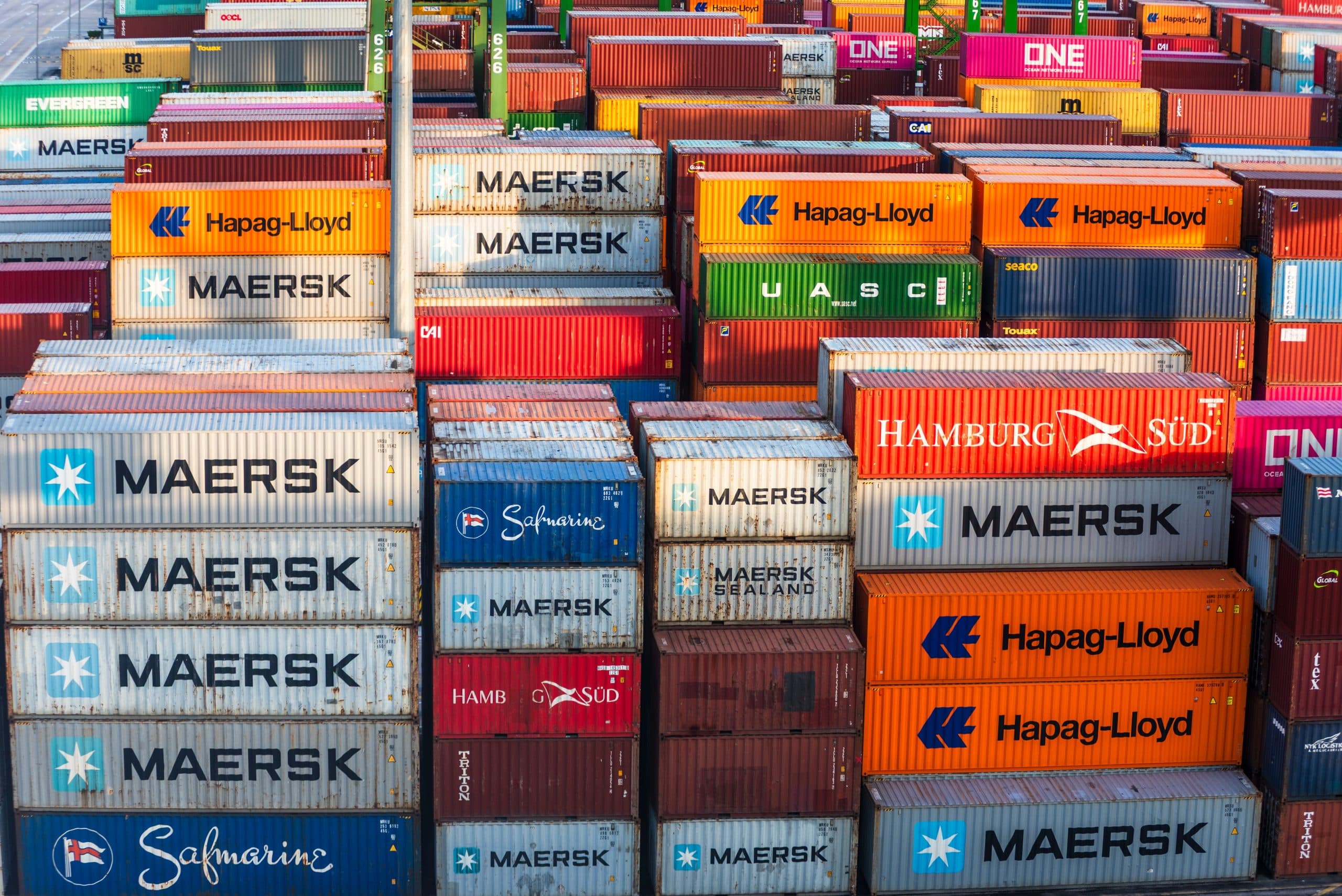
Container shipping demand continues to show resilience, largely propelled by the consistent movement of industrial goods. This sustained demand is placing significant pressure on global port operations and the associated landside logistics networks, leading to increased congestion.
The current strain on port and landside capacity is attributed to a combination of resilient cargo volumes and a historical lack of investment in infrastructure development. This underinvestment over several years has left many ports ill-equipped to handle the current volume of traffic efficiently.
For freight forwarders and operations managers, this situation implies ongoing challenges with schedule reliability and potential delays in cargo movement. Increased port dwell times and landside bottlenecks could lead to higher demurrage and detention charges, as well as elevated trucking and rail costs due to equipment shortages and extended turnaround times. Forwarders should anticipate continued operational complexities and factor potential delays into their planning and client communications.