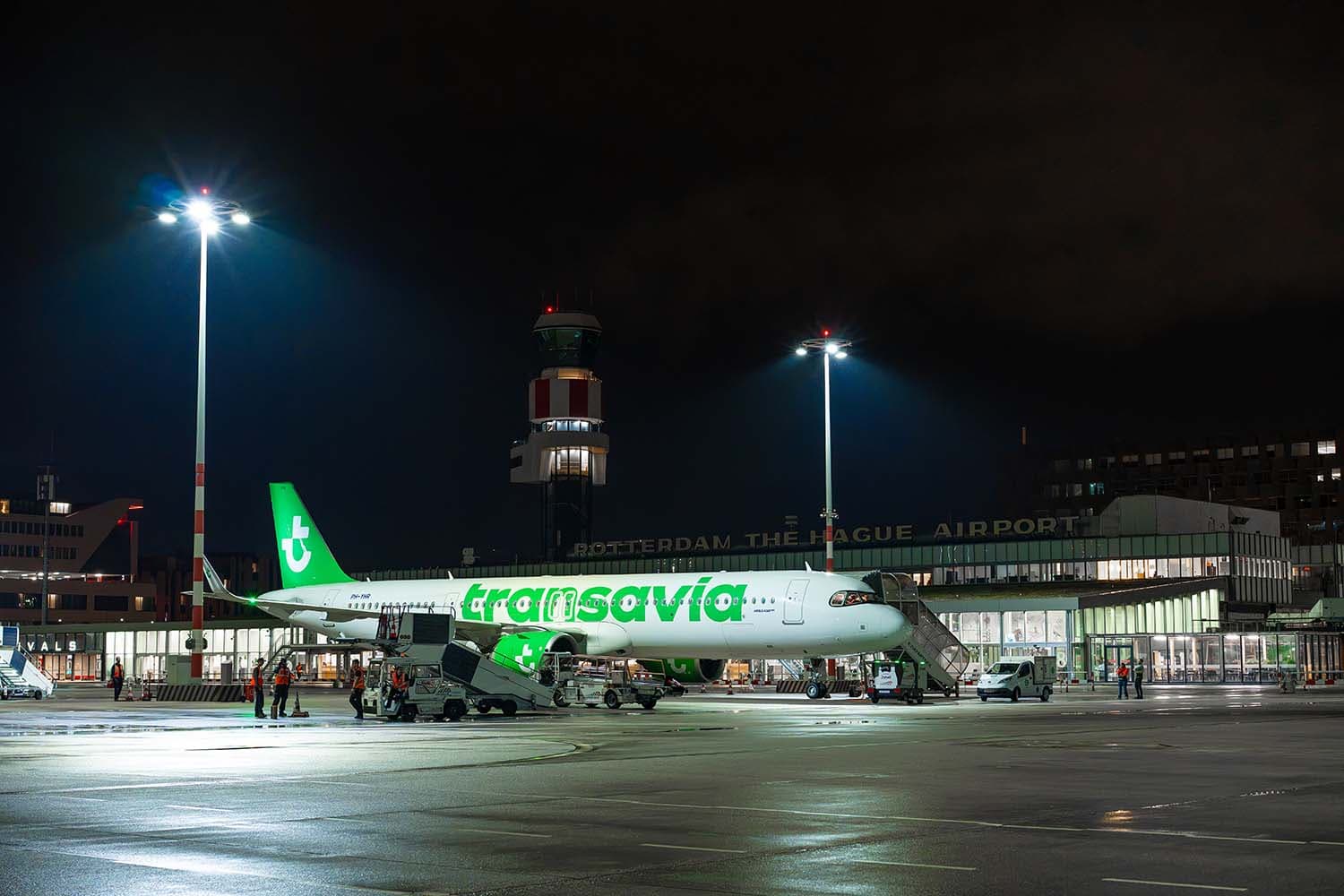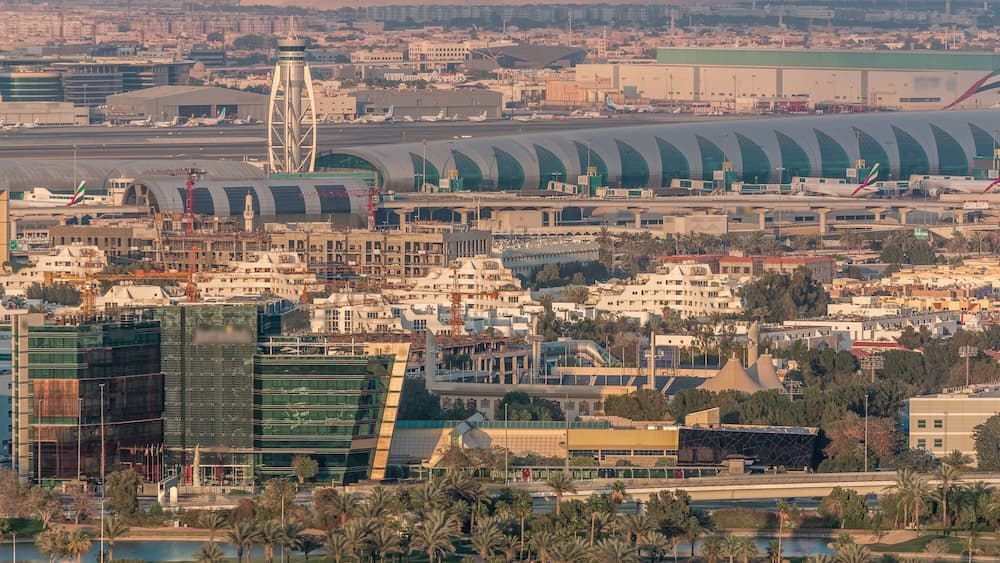
Global air cargo volumes are predicted to increase by 3-4% annually until 2035, placing considerable strain on major international air cargo hubs. Many of these facilities are already operating at or near their maximum capacity, leading to widespread congestion. This situation is compelling some cargo traffic to be rerouted to secondary airports, which may not have the same level of infrastructure or connectivity.
Despite ongoing investments in automation, the implementation of new technologies and large-scale sorting systems is not progressing quickly enough to meet the escalating demand. This gap between infrastructure development and volume growth highlights a critical challenge for the industry.
For freight forwarders and operations managers, this trend implies potential delays and increased costs at primary air cargo gateways. The diversion of cargo to smaller airports could lead to longer transit times and more complex logistics, as these alternative hubs might lack direct connections or efficient onward transport options. Forwarders may need to explore new routing strategies and build relationships with handlers at a wider array of airports to maintain service levels and mitigate disruption.