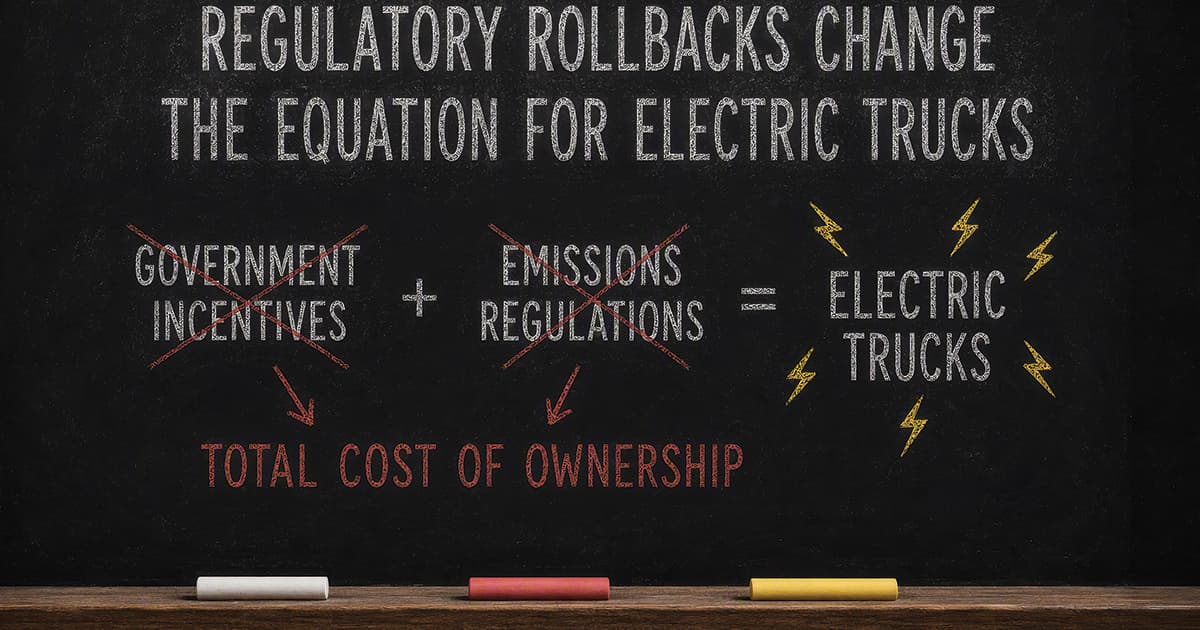
The transition to zero-emission trucks is now primarily influenced by practical business considerations rather than national regulatory frameworks. Fleet operators are closely examining the total cost of ownership, operational feasibility, and evolving customer expectations when deciding to adopt electric vehicles. This shift indicates a move towards market-driven adoption, where the economic and operational benefits must justify the investment.
For freight forwarders and logistics managers, this means that the pace and scale of electric truck integration into drayage and short-haul operations will vary significantly by region and company. Forwarders should anticipate a gradual increase in electric truck availability, particularly in areas with strong economic incentives or specific customer requirements for green logistics. Understanding the total cost implications, including charging infrastructure and maintenance, will be crucial for planning inland transport and managing client expectations regarding sustainable options.