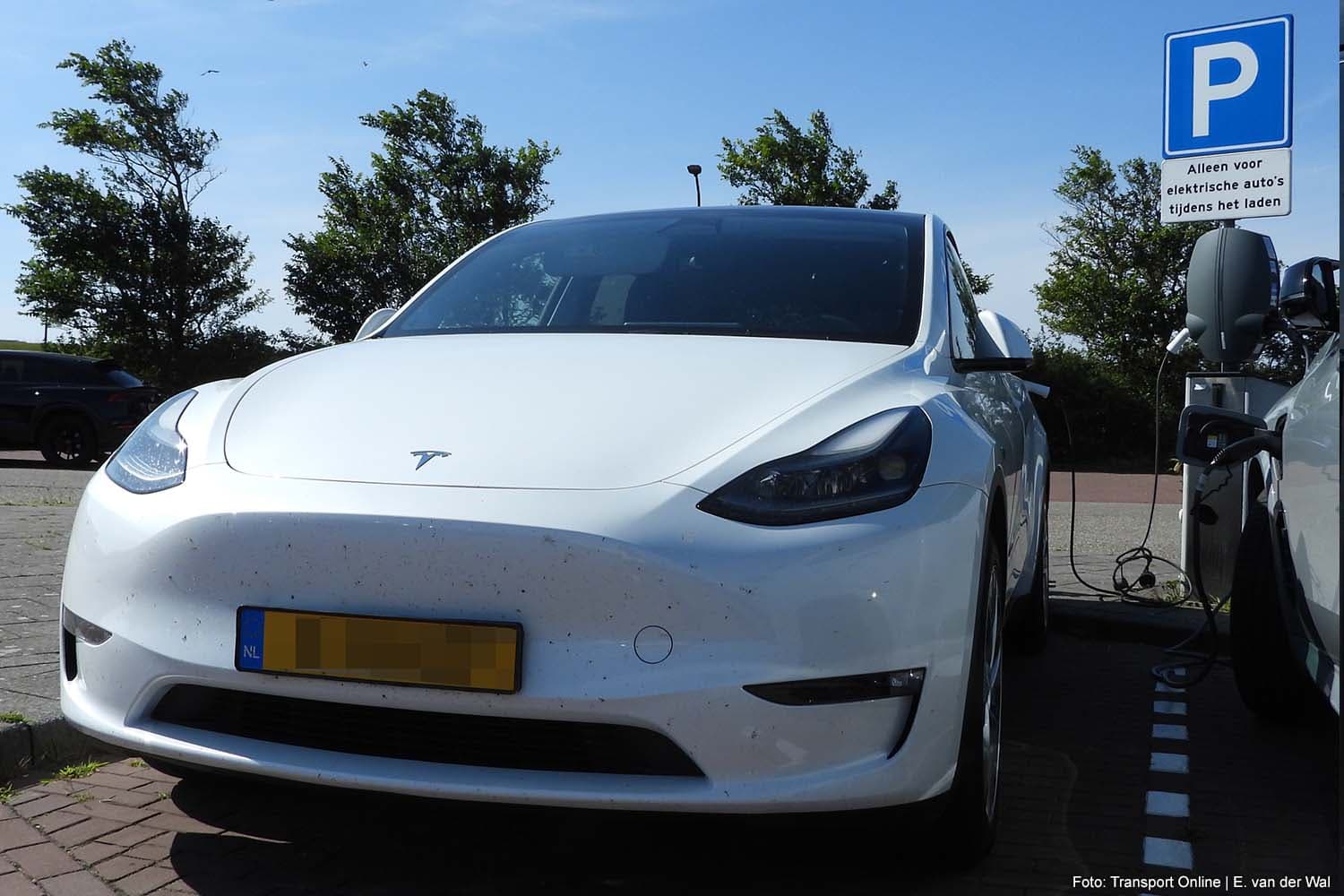
In 2025, the Dutch passenger car market experienced significant activity, with more than 1.7 million vehicles changing ownership, encompassing both new sales and second-hand transactions. Of this total, approximately 259,000 units were either fully electric vehicles (EVs) or plug-in hybrids (PHEVs). This indicates a notable increase in the adoption of electrified transport options within the country.
Statistical analysis reveals a correlation between higher income brackets and the purchase of these plug-in vehicles. Individuals with greater financial resources were observed to acquire electric and plug-in hybrid cars more frequently. This suggests that while the overall market for EVs is expanding, accessibility and uptake may still be influenced by economic factors.
For freight forwarders and logistics professionals involved in the automotive sector, this trend signifies a continued shift in vehicle production and distribution. The increasing volume of EVs and PHEVs could impact specialized transport requirements, such as charging infrastructure at logistics hubs or specific handling procedures for battery-equipped vehicles. It also points to a potential increase in demand for parts and components related to electric powertrains, influencing supply chain planning and inventory management for automotive logistics. The focus on higher-income buyers might also suggest specific regional distribution patterns for these vehicles.