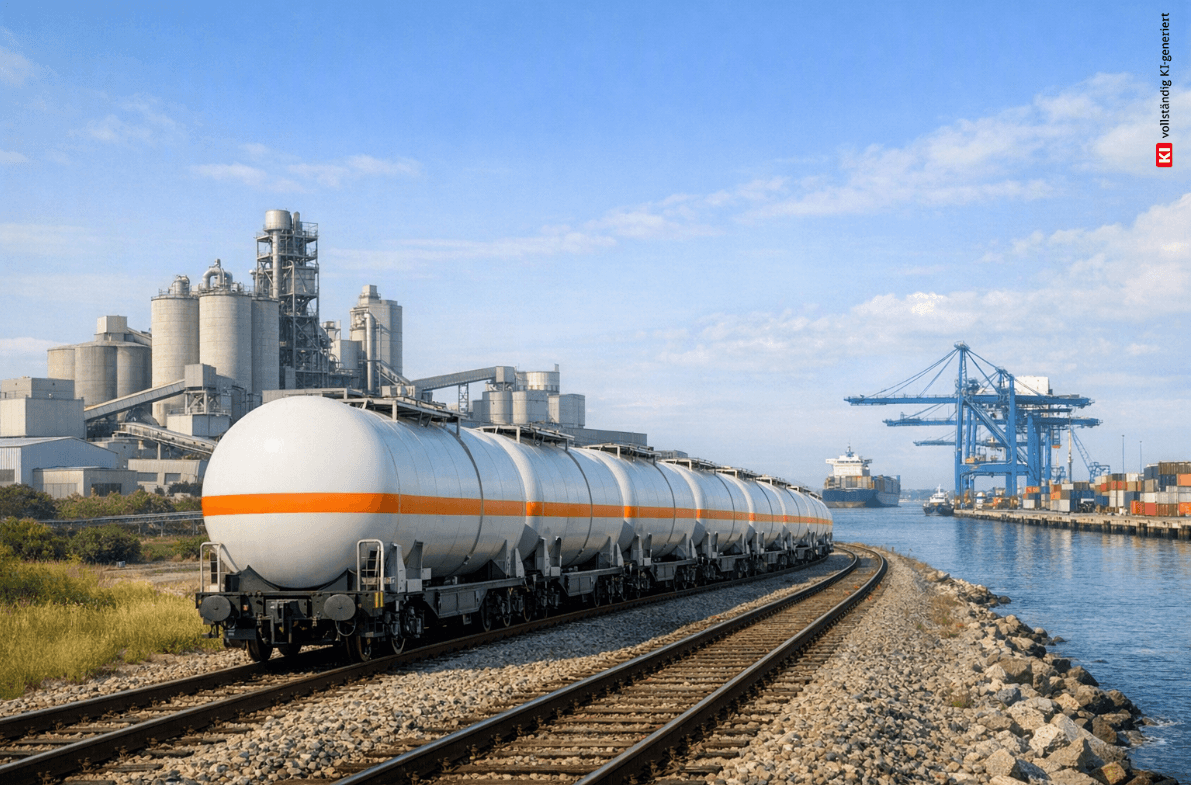
DB Cargo has announced its objective to establish an annual rail capacity of 4 million tonnes for the transportation of carbon dioxide. This strategic move is designed to facilitate the connection between industrial emitters in Germany and various CO2 storage locations across Europe. The initiative is closely tied to the ongoing development and implementation of Carbon Capture and Storage (CCS) projects, which are crucial for decarbonization efforts.
For freight forwarders and logistics professionals, this development signals a potential new revenue stream and specialized service offering in the rail sector. As CCS technology matures and becomes more widespread, the demand for reliable, high-volume CO2 transport will increase. Forwarders should monitor the progress of these projects and assess the feasibility of integrating rail-based CO2 logistics into their service portfolios, especially for clients in heavy industries. This could involve specialized wagon types, dedicated rail routes, and new operational procedures. The focus on rail also suggests a shift towards more sustainable transport solutions for industrial byproducts.
Bernhard Osburg has emphasized the necessity of coordinated investment across several key areas to support this ambition. These include enhancements to specialized wagons, upgrades to terminal infrastructure, broader rail network improvements, and the establishment of clear regulatory guidelines. Such integrated investment is vital to ensure the efficiency and safety of large-scale CO2 rail transport.