The increasing demand for AI-related equipment is transforming the logistics landscape, presenting freight forwarders with significant opportunities to expand their service portfolios beyond standard air freight. These specialized technology shipments are characterized by higher yields compared to typical e-commerce cargo, even as both sectors vie for limited air freight capacity originating from Asia.
This shift means forwarders can focus on providing more comprehensive, value-added services tailored to the unique requirements of high-tech components, such as specialized handling, enhanced security, and precise delivery coordination. For operations managers and supply chain analysts, this trend highlights the importance of developing expertise in managing sensitive and high-value cargo, potentially leading to new revenue streams and stronger client relationships. It also suggests a need to re-evaluate capacity allocation strategies, balancing the volume of e-commerce with the profitability of tech shipments.
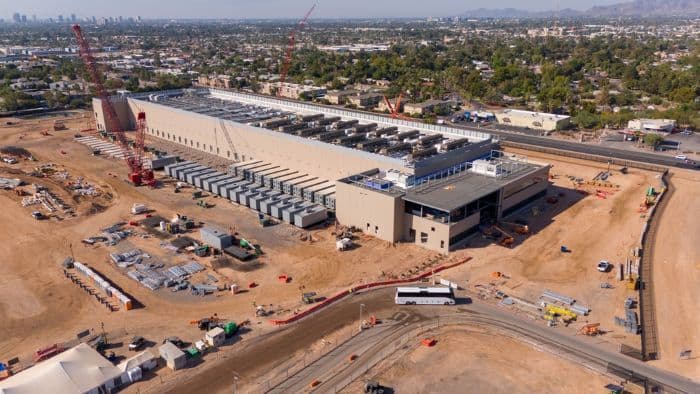
Forwarders should consider investing in capabilities that support the secure and efficient transport of these critical components, from origin to final installation. This could involve specialized warehousing, advanced tracking systems, and dedicated teams for project management, ensuring seamless execution for clients in the rapidly expanding data center and AI infrastructure sectors.