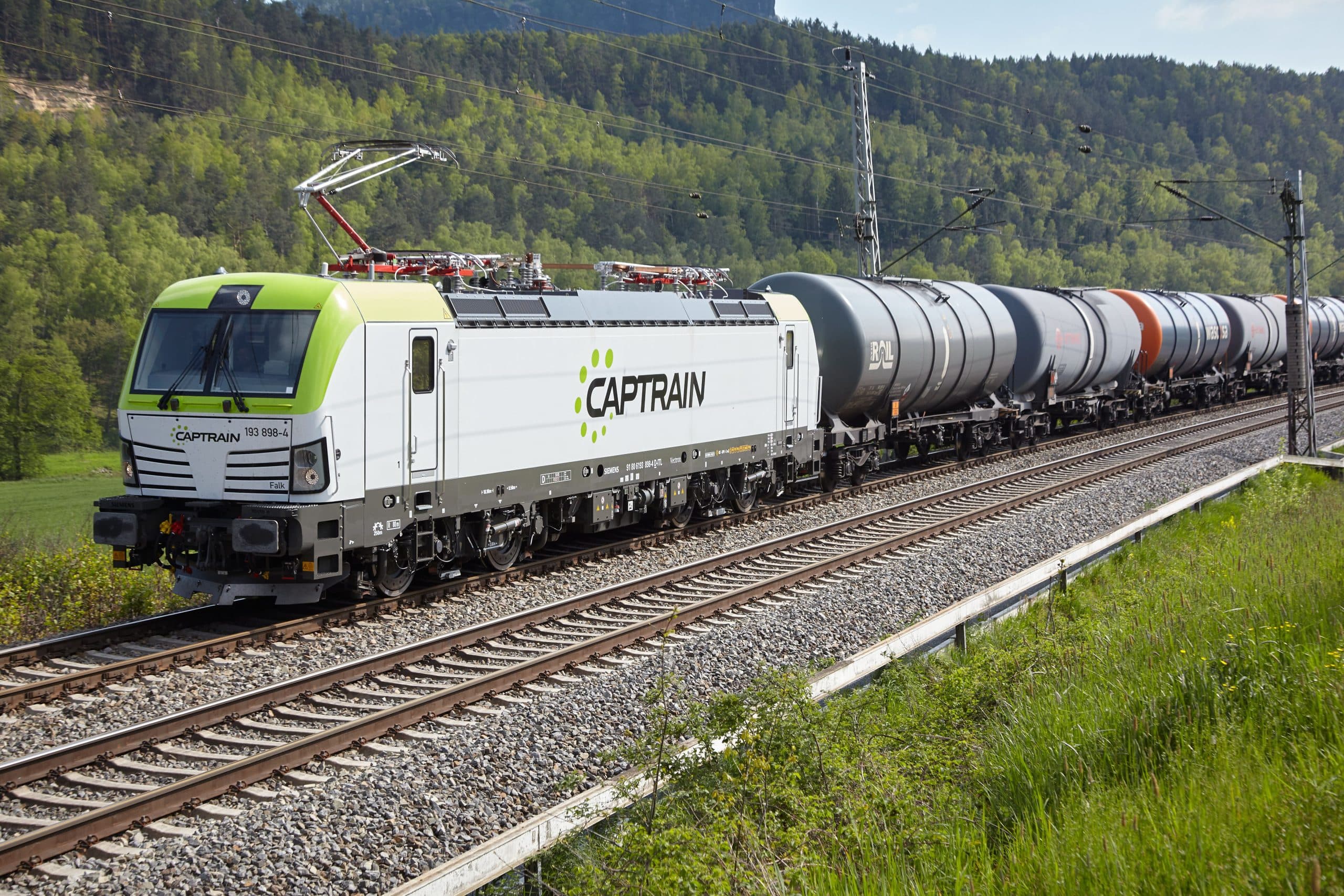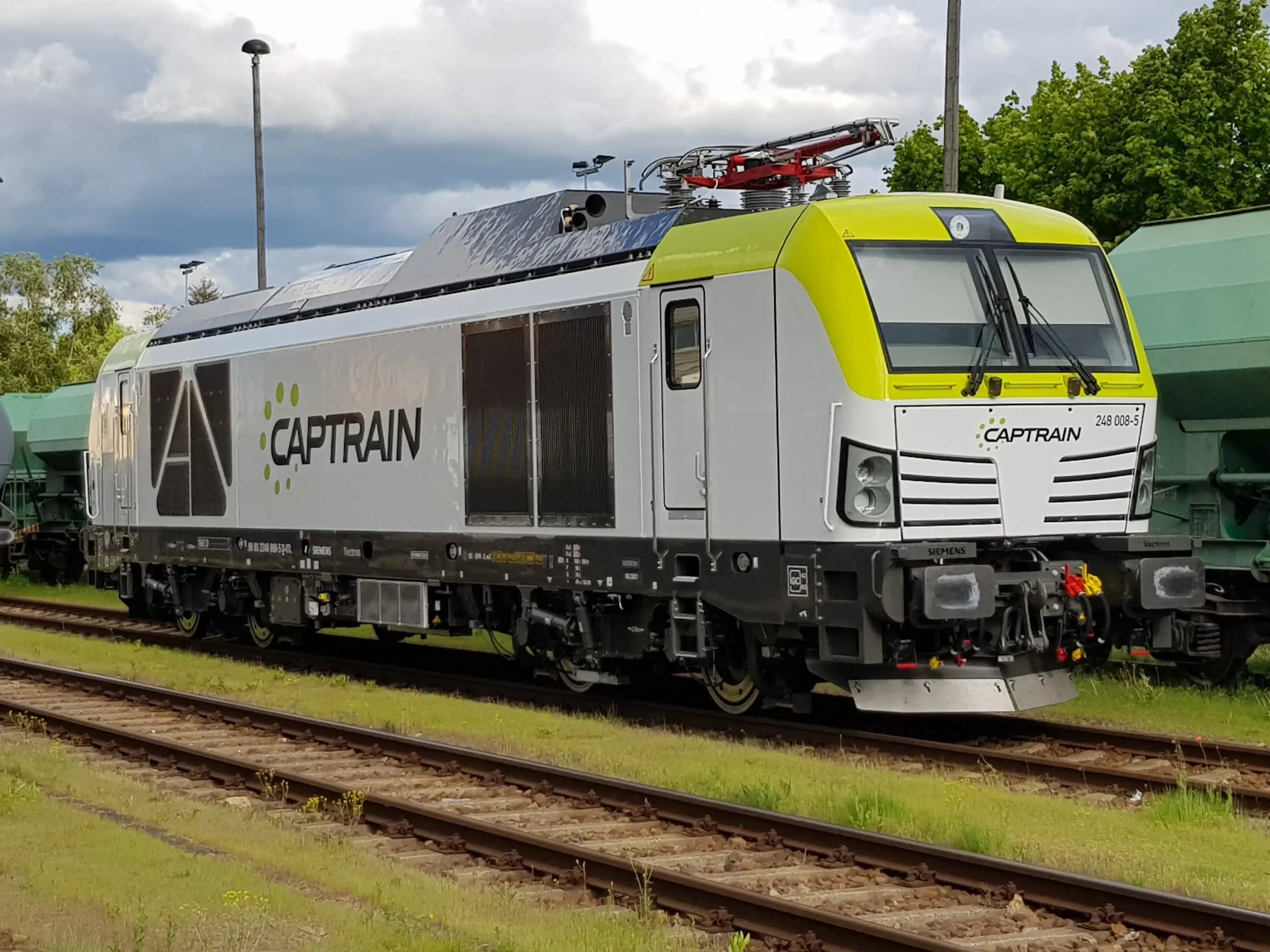
Captrain is expanding its rail freight services by introducing up to 13,600 tonnes of additional weekly capacity specifically for coal and coke shipments. This strategic move is a direct consequence of persistent low water conditions on the Rhine River, a critical waterway for European inland navigation. The reduced water levels have severely impacted barge operations, making river transport less reliable and efficient for bulk commodities.
For freight forwarders and operations managers, this development signifies a crucial shift in available capacity for industrial bulk goods. The increased rail options provide a more dependable alternative for moving coal and coke, mitigating the risks associated with Rhine River disruptions. Forwarders should anticipate a potential reallocation of cargo from barges to rail, which could influence lead times and potentially costs for these specific commodities. This also highlights the importance of multimodal planning and flexibility in response to environmental challenges affecting key transport arteries.