A recent analysis by Cassel Salpeter & Co. indicates that the aviation sector is undergoing a significant transformation due to persistent shortages of both aircraft and engines. The report identifies engine supply as the primary bottleneck, with the global backlog for new commercial aircraft currently surpassing 17,000 units.
This scarcity is projected to drive a substantial increase in global Maintenance, Repair, and Overhaul (MRO) expenditures. Forecasts suggest MRO spending will rise from $136 billion in 2025 to $193 billion by 2036, as airlines are compelled to extend the operational life of their existing fleets.
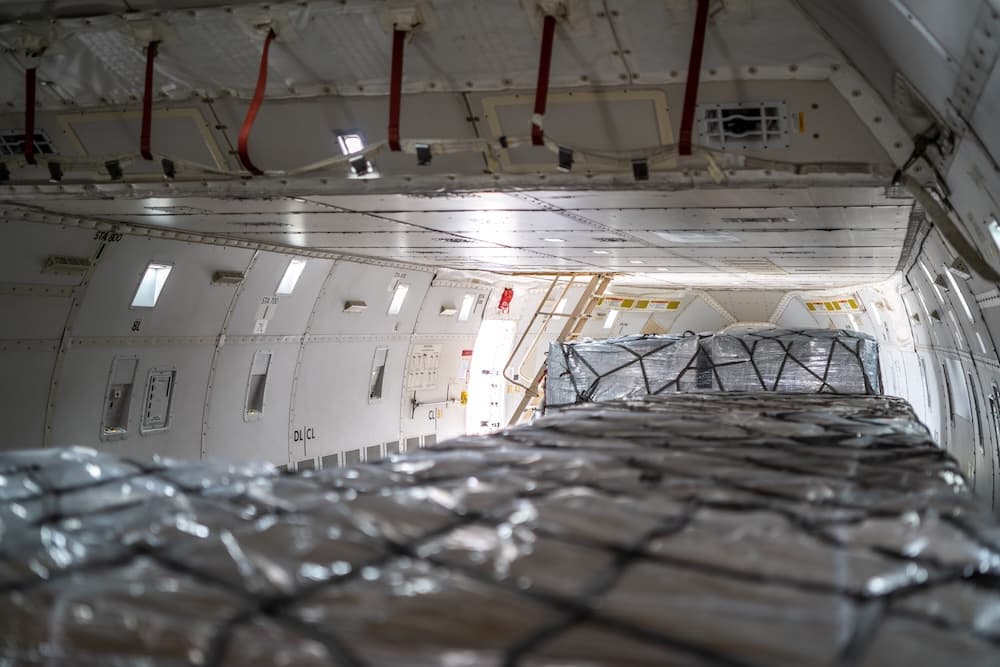
For freight forwarders and logistics professionals, these developments imply potential challenges. The extended lifespan of older aircraft may lead to higher maintenance-related disruptions and potentially less efficient operations. Furthermore, the overall shortage of available aircraft could impact air cargo capacity, leading to tighter booking windows and potentially elevated freight rates. Forwarders should anticipate longer lead times for air cargo movements and factor in potential cost increases due to the growing MRO demand and reduced fleet availability.