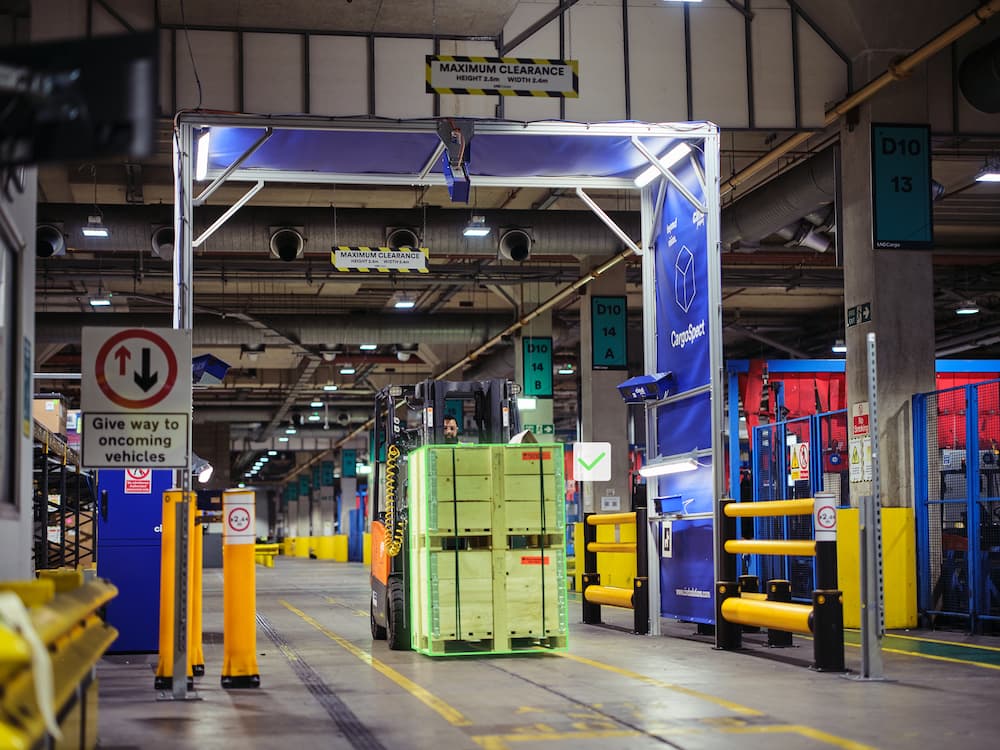
Artificial intelligence (AI), specifically through vision-based dimensioning systems, is significantly enhancing the efficiency of airfreight operations. These advanced systems provide real-time, accurate measurements of cargo shape, volume, and weight, moving away from less reliable manual estimations. This precision directly contributes to improved utilization of both aircraft cargo holds and warehouse storage facilities.
The implementation of AI-enabled systems offers measurable operational benefits, particularly in critical areas such as cargo acceptance, precise dimensioning, and the efficient build-up of Unit Load Devices (ULDs). By accurately assessing cargo characteristics, these systems can identify non-stackable items much earlier in the process, preventing potential delays and damage. Furthermore, the reduction in manual processes minimizes rework and mitigates handling risks, leading to a smoother and safer operational flow.
For freight forwarders and their operational teams, this technological advancement translates into several key advantages. More accurate cargo data allows for better planning and allocation of airfreight space, potentially leading to more predictable capacity and improved schedule reliability. The reduction in manual errors and rework can also accelerate cargo processing times, benefiting overall supply chain velocity and potentially reducing operational costs associated with inefficient space usage or damaged goods.