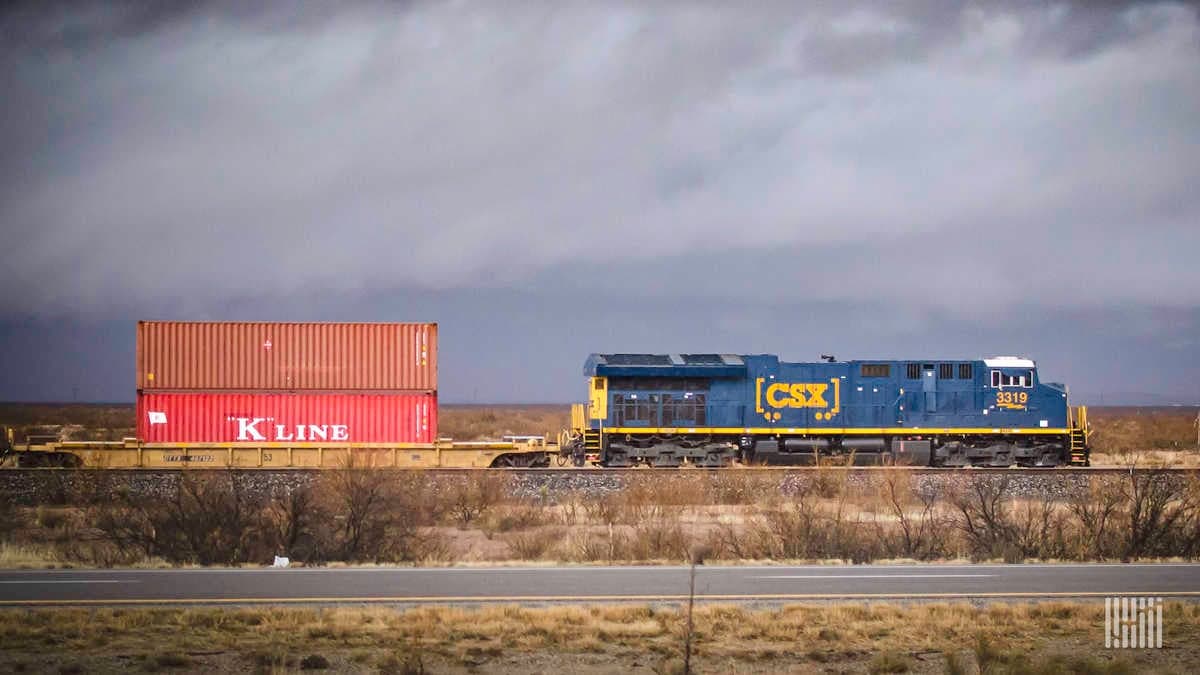
US rail freight operations maintained a high level of activity as the July 4th holiday weekend approached, indicating a strong year for the sector. Both intermodal and commodity shipments contributed significantly to these robust volumes, demonstrating sustained demand for rail transport across the country.
For freight forwarders and operations managers, consistent rail performance is crucial for supply chain planning and execution. Stable and high volumes suggest reliable capacity, which can help in forecasting transit times and managing inventory. This positive trend in rail freight could alleviate some pressure on other transport modes, potentially offering a more balanced logistics landscape. However, it also means that rail networks will be operating at higher utilization, requiring careful booking and coordination to avoid potential bottlenecks, especially around holiday periods.
Looking ahead, continued strong rail freight volumes could influence intermodal pricing and capacity availability. Forwarders should monitor these trends to optimize routing decisions and negotiate favourable rates, ensuring efficient movement of goods for their clients.