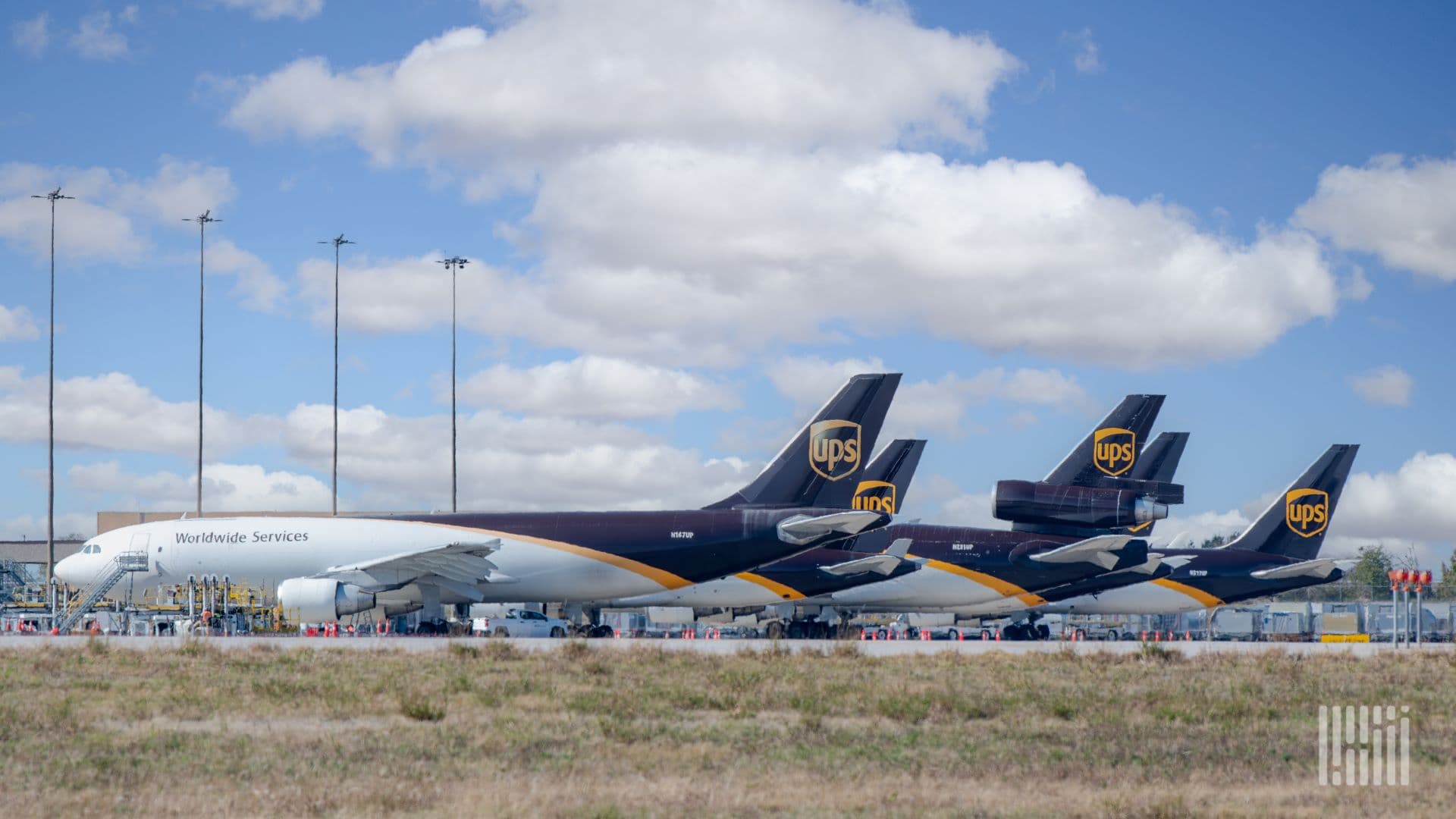
The United States Postal Service (USPS) is reportedly transporting a greater proportion of its long-distance mail via air cargo, a move that contradicts its stated strategic goal of increasing reliance on ground transportation. This operational adjustment is primarily driven by the need to satisfy minimum volume guarantees stipulated in its contract with UPS. By shifting mail to air, USPS aims to mitigate potential financial penalties that would arise from failing to meet these contractual obligations, particularly in light of declining parcel volumes.
For freight forwarders and logistics professionals, this development highlights the complex interplay between carrier contracts and operational strategy. The increased use of air cargo by USPS could impact available capacity and pricing on domestic air freight lanes, especially if the volumes are significant. Forwarders handling e-commerce or time-sensitive domestic shipments might experience tighter capacity or fluctuating rates as USPS competes for air space. This also underscores the importance for shippers and forwarders to understand the underlying contractual pressures that can influence carrier network decisions and potentially affect service levels or costs.