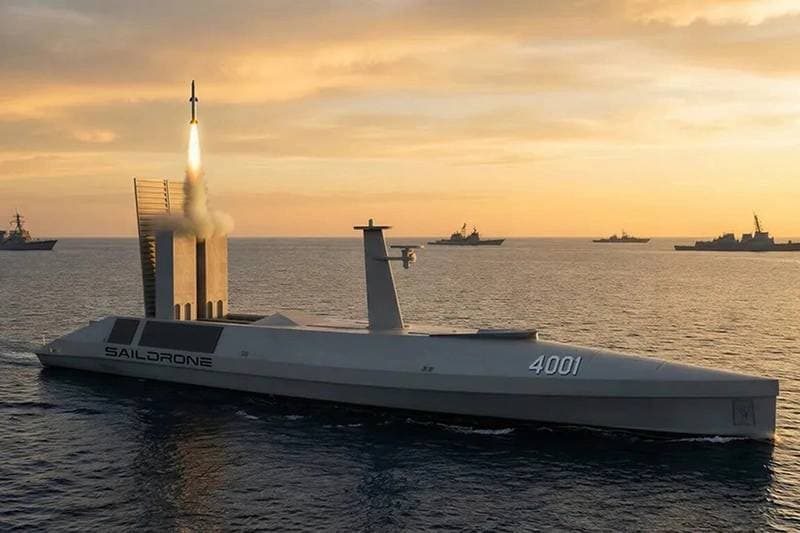
The United States Navy is progressing with the expansion and enhancement of its unmanned vessel capabilities, attracting significant interest from technology companies and shipyards. This strategic direction involves integrating sophisticated autonomous surface and underwater vehicles into naval operations. The move signifies a broader shift towards a 'hybrid navy' concept, where traditional crewed warships operate alongside a growing number of uncrewed platforms to achieve various mission objectives.
This development is driven by lessons learned from recent conflicts, highlighting the effectiveness and strategic advantages offered by unmanned systems in diverse operational environments. The proliferation of these technologies is expected to bolster naval reconnaissance, surveillance, mine countermeasures, and potentially other combat roles, reducing risk to personnel and extending operational reach.
For freight forwarders and supply chain professionals, this news primarily concerns the defense sector and specialized logistics. It does not directly impact commercial shipping routes, port congestion, or general freight rates. However, it may create opportunities for forwarders specializing in defense contracts, project cargo, or the transport of high-tech maritime equipment and components required for the construction and maintenance of these advanced unmanned systems. The demand for secure and efficient logistics for sensitive defense-related cargo could see an increase.
The article does not specify immediate next steps, but the ongoing competition among suppliers suggests continued investment and development in this sector.