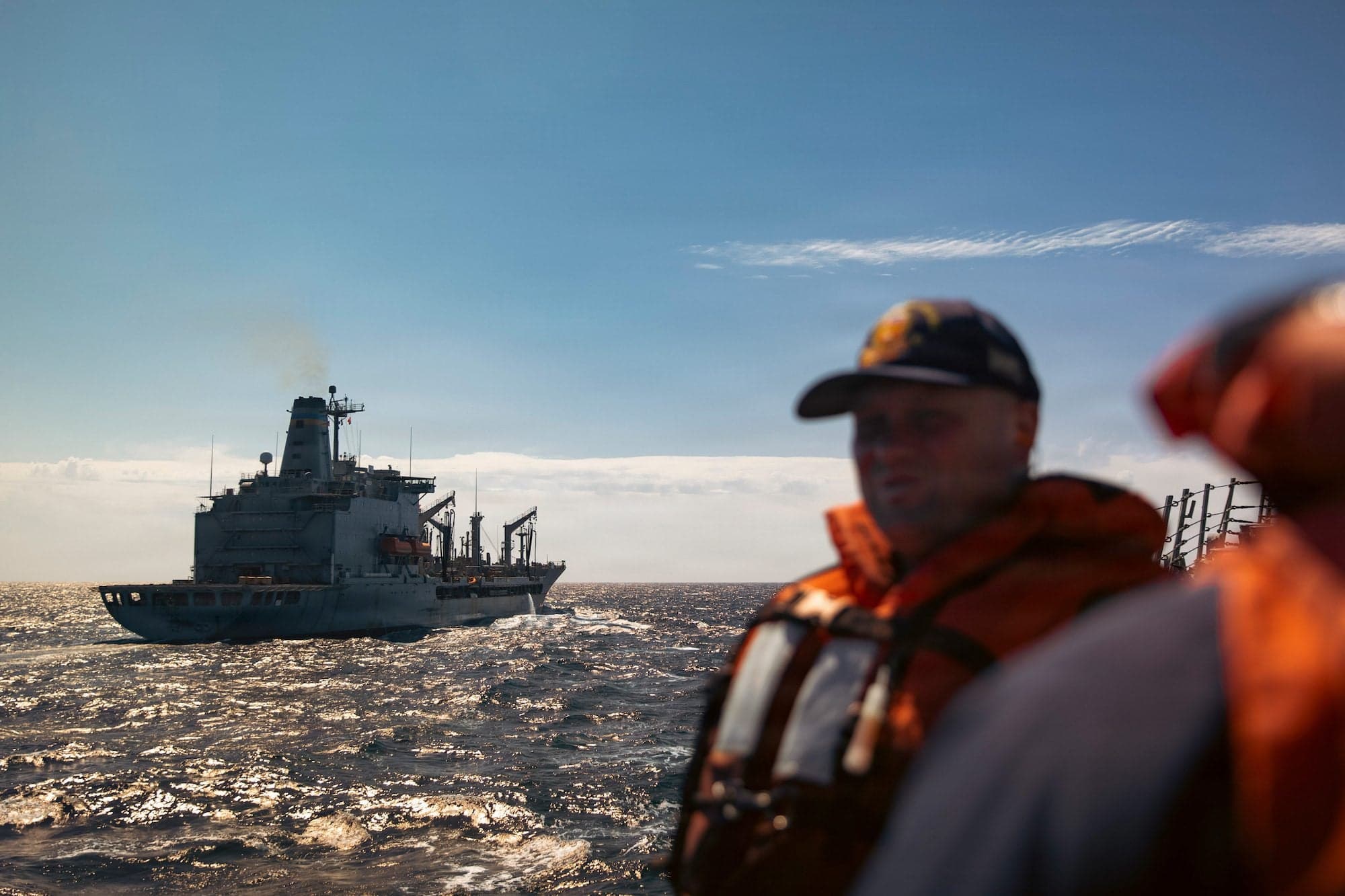
On July 17, US Fleet Forces Command, led by Admiral Karl Thomas, officially recognized the critical importance of American merchant mariners. This event marked a significant shift in acknowledging the maritime workforce's contribution to both national security and the economy, a role often underestimated despite its foundational nature.
Historically, the US merchant marine has been a cornerstone of military logistics and commercial trade, particularly during conflicts. However, in recent decades, the sector has faced challenges, leading to a decline in US-flagged vessels and a smaller pool of American mariners. This renewed focus aims to address these issues by emphasizing the strategic necessity of a strong domestic maritime capability.
For freight forwarders and supply chain managers, this recognition signals a potential long-term shift towards greater emphasis on US-flagged vessels and American crews. While immediate impacts on rates or capacity are unlikely, it could eventually lead to policy changes supporting the domestic maritime industry, potentially influencing vessel availability for certain strategic routes or cargo types. It also highlights the ongoing importance of a skilled maritime workforce for maintaining global supply chain resilience.
Moving forward, this acknowledgment may pave the way for increased investment in maritime training, shipbuilding, and incentives for US-flagged operations, aiming to bolster the nation's sea-lift capacity and reduce reliance on foreign-flagged vessels for critical movements.