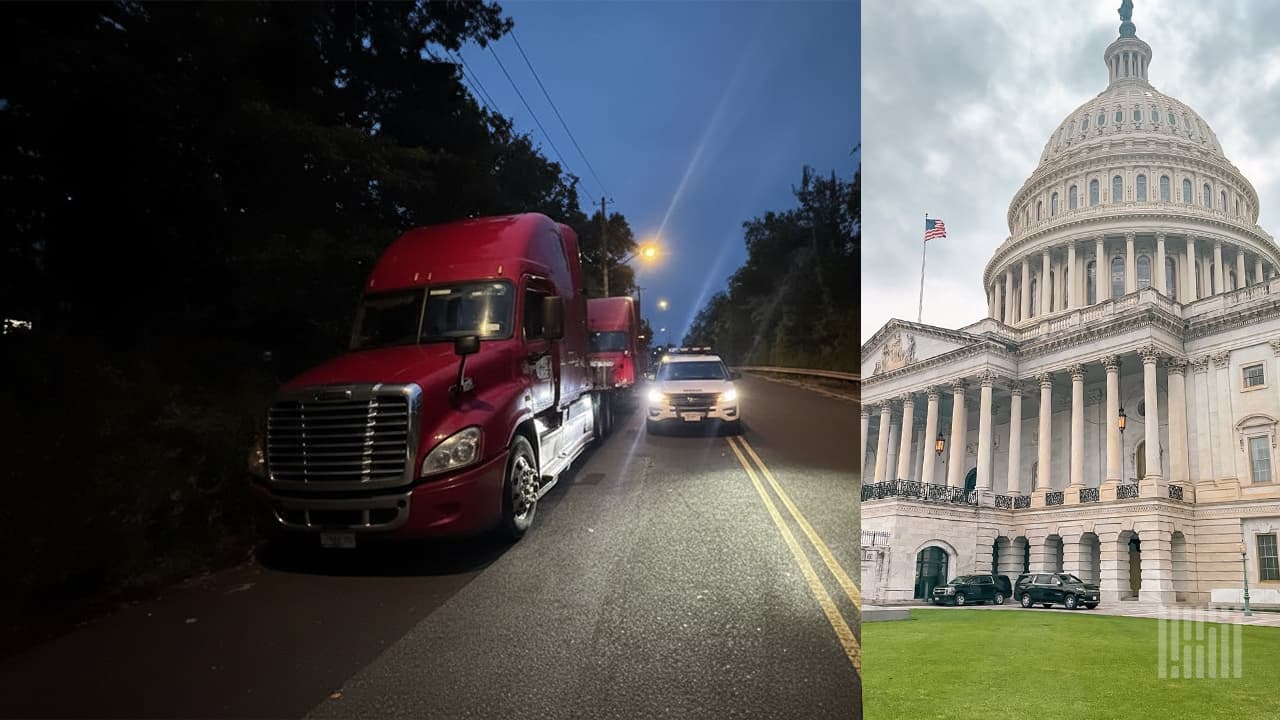
An audit has been conducted to assess the legislative activity of US congressional members regarding the trucking industry. This analysis specifically focused on the number of trucking-related bills introduced by legislators and cross-referenced this data with crash statistics from their home states. The findings indicate a significant disparity between legislative effort and actual policy implementation, as only three out of 79 proposed bills have successfully passed into law.
For freight forwarders and operations managers, this low conversion rate of proposed legislation into law suggests a continued period of regulatory stability, or at least a slow pace of change, within the US trucking sector. New regulations that could impact road freight capacity, driver requirements, or operational costs are unlikely to emerge rapidly. This could mean less immediate need for adapting to new compliance measures, but also potentially slower progress on issues like infrastructure improvement or safety enhancements that could benefit the industry in the long term. Forwarders should monitor the few successful bills for any direct operational implications, but generally, the landscape appears to be one of incremental rather than transformative legislative shifts.