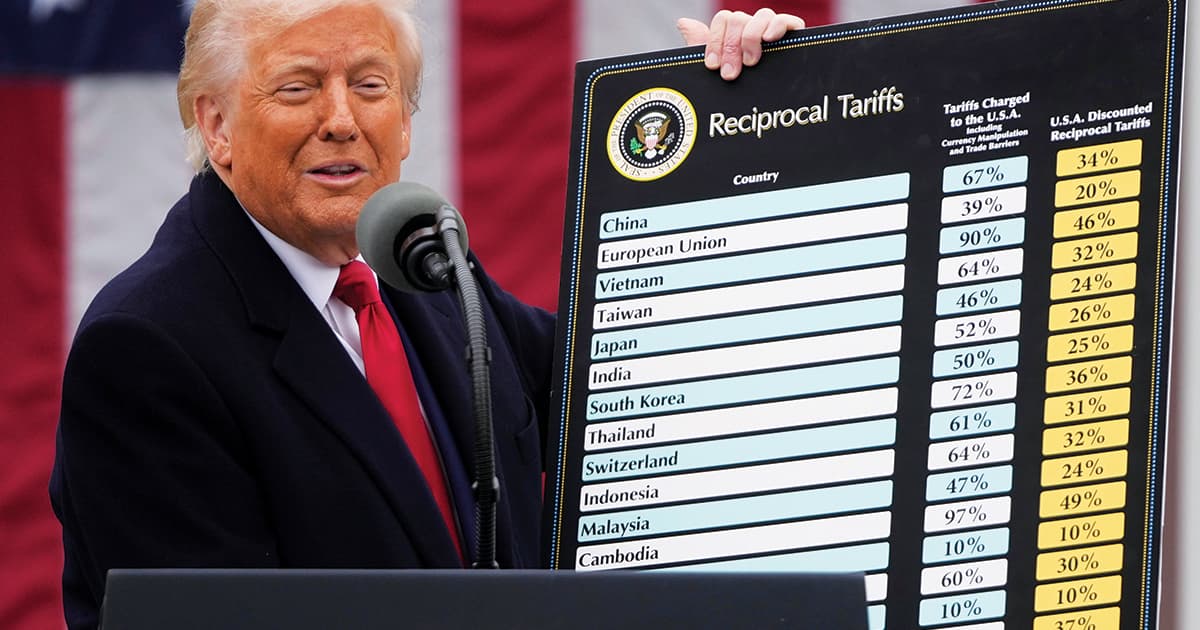
The US administration is widely expected by trade experts and analysts to replace the current Section 122 tariffs with more comprehensive Section 301 tariffs. This transition is projected to occur before the Section 122 tariffs expire on July 24.
This action signals a continuation of the administration's trade policy, which utilizes tariffs as a tool to address perceived unfair trade practices. The shift from Section 122 to Section 301 indicates a potential broadening of the scope of goods affected and the countries targeted, moving beyond the specific measures of the expiring tariffs.
For freight forwarders and shippers, this development means that while one set of tariffs is expiring, another, potentially more impactful, set is likely to take its place. This could lead to continued or new cost considerations for imported goods, influencing pricing, sourcing decisions, and overall supply chain resilience. Forwarders should monitor the specifics of the new Section 301 tariffs to understand which commodities and trade lanes will be most affected, enabling them to advise clients on potential rate adjustments and routing optimizations. The ongoing uncertainty around trade policy necessitates flexible logistics strategies.
It is anticipated that the administration will finalize and implement the new Section 301 tariffs in a timely manner to avoid any lapse in trade measures.