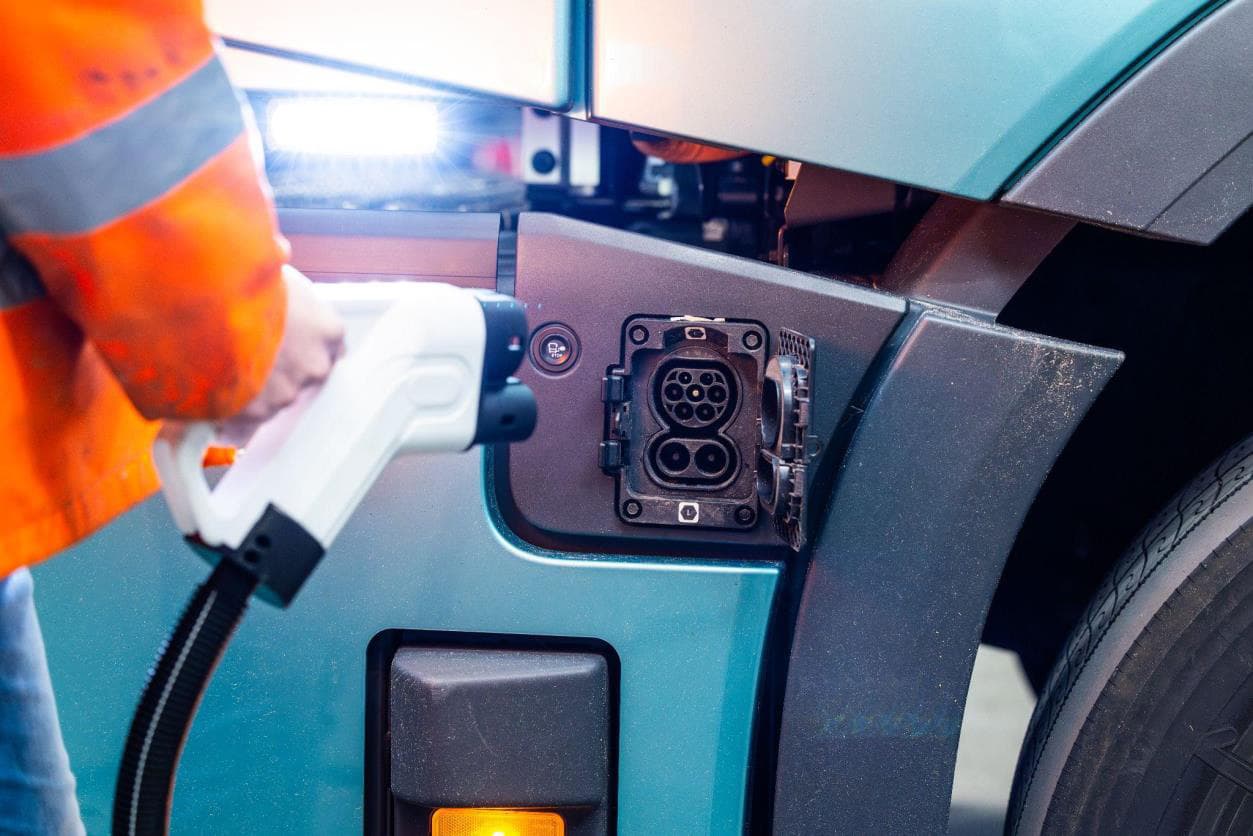
Dutch transport companies are rapidly integrating electric trucks into their fleets, with firms like Boermarke and MAAT Transport expanding their EV operations. However, this transition is hampered by widespread grid congestion, which prevents the installation of the high-capacity electrical connections needed for fast charging.
This issue forces companies to seek innovative charging strategies. Solutions under consideration include smart charging systems that optimize power usage, integrating battery storage to buffer demand, and deploying mobile charging units. These alternatives aim to provide reliable power for electric trucks without necessitating expensive and often unavailable heavy-duty grid upgrades.
For freight forwarders and logistics managers, this trend highlights a critical operational challenge in the shift to sustainable road transport. The availability and cost of charging infrastructure will directly impact fleet planning, route optimization, and overall operational efficiency for electric trucks. Delays in securing grid connections could slow down EV adoption, potentially affecting capacity and lead times for greener transport options. Forwarders should monitor developments in charging technology and infrastructure to anticipate future impacts on road freight services.
Moving forward, the industry anticipates continued innovation in energy management and charging solutions to overcome grid limitations. Collaboration with energy providers and investment in decentralized charging infrastructure will be crucial for the successful scaling of electric truck fleets.