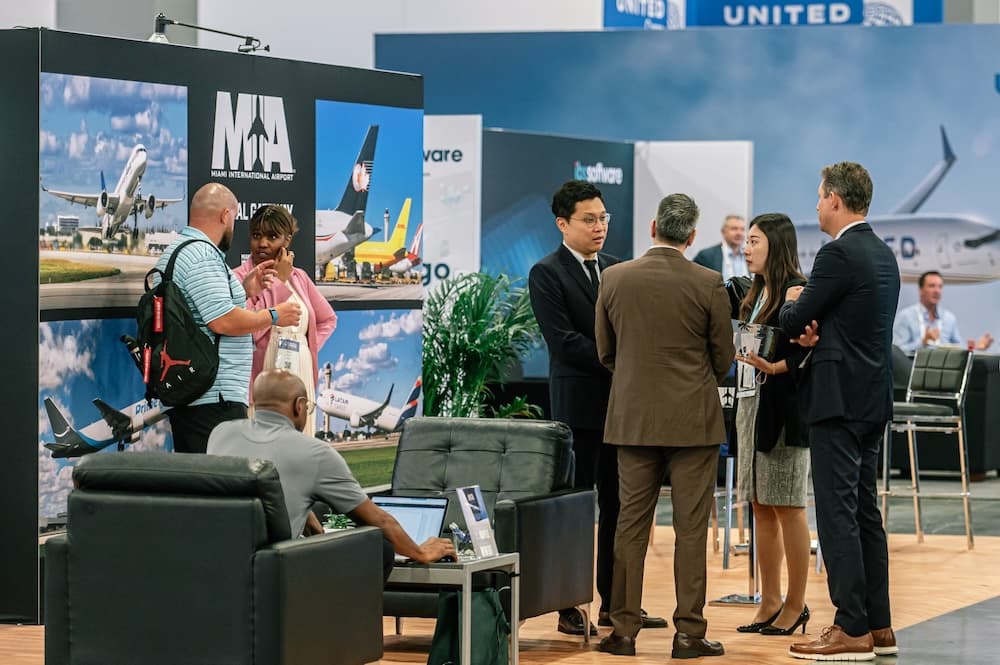
The recent TOC Europe conference, held in Hamburg, Germany, for the first time in a decade, revealed a strong industry focus on battery-electric systems for cargo handling equipment. This emphasis indicates a growing trend within the maritime and port sectors to adopt more sustainable and environmentally friendly technologies for terminal operations.
This shift is driven by global decarbonization goals and increasing regulatory pressure to reduce emissions from port activities. The integration of battery-electric systems into cranes, reach stackers, and other port machinery aims to lower reliance on fossil fuels, decrease operational noise, and improve air quality within port areas.
For freight forwarders and logistics professionals, this trend signals potential changes in port efficiency and environmental compliance. Terminals investing in electric equipment may offer greener services, which could become a factor in carrier and route selection for shippers with sustainability targets. While direct rate impacts are not immediate, the long-term operational cost savings for terminals could indirectly influence port charges or service offerings. Forwarders should monitor these developments as they contribute to the overall sustainability of the supply chain.
Looking ahead, the continued development and deployment of battery technology will likely lead to more widespread adoption of electric and hybrid solutions across port infrastructure, further supporting the industry's green transition.