Persistent volatility in global tariffs has elevated customs strategy from a mere administrative task to a crucial commercial imperative. Companies are now compelled to constantly adapt their routing, product classifications, market entry approaches, and transport modes to effectively manage both costs and associated risks. This shift emphasizes the need for agility in response to policy changes.
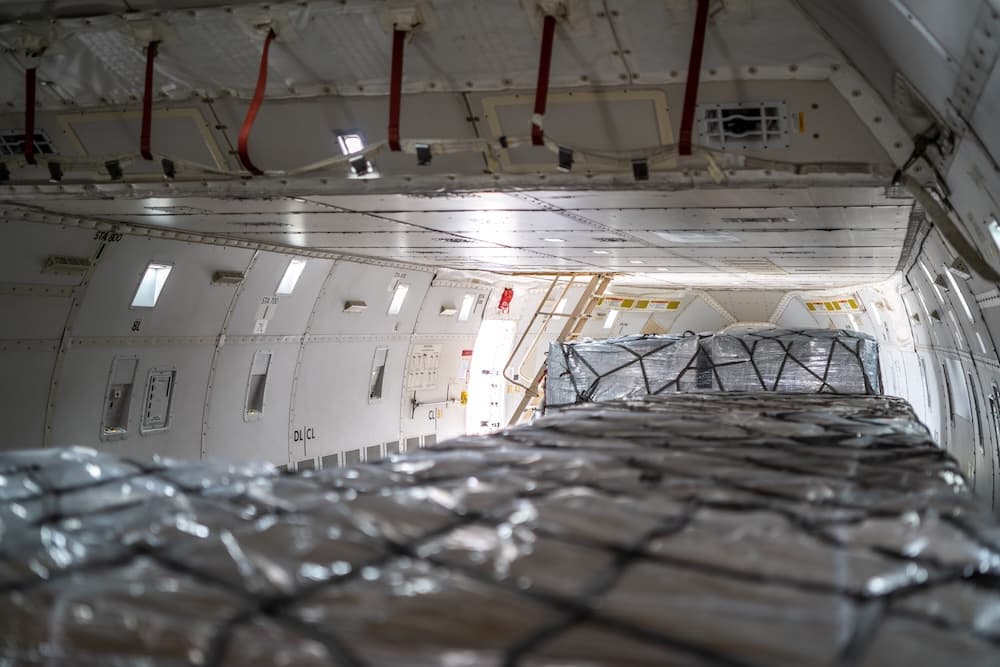
For freight forwarders and operations managers, this means a heightened focus on flexible logistics solutions. Airfreight and bonded warehousing are becoming increasingly vital for building supply chain resilience. Utilizing air cargo allows for quicker responses to sudden tariff changes or trade policy shifts, minimizing the time goods spend in transit and reducing exposure to potential disruptions. Bonded logistics facilities offer flexibility in deferring duties and taxes, which can be crucial when tariffs are uncertain or subject to rapid alteration. Forwarders must be prepared to offer dynamic routing and classification advice, leveraging these tools to help shippers navigate complex and unpredictable trade environments.
This trend suggests that effective customs management will continue to be a competitive differentiator, demanding proactive engagement and real-time adjustments to maintain cost-efficiency and supply chain integrity.