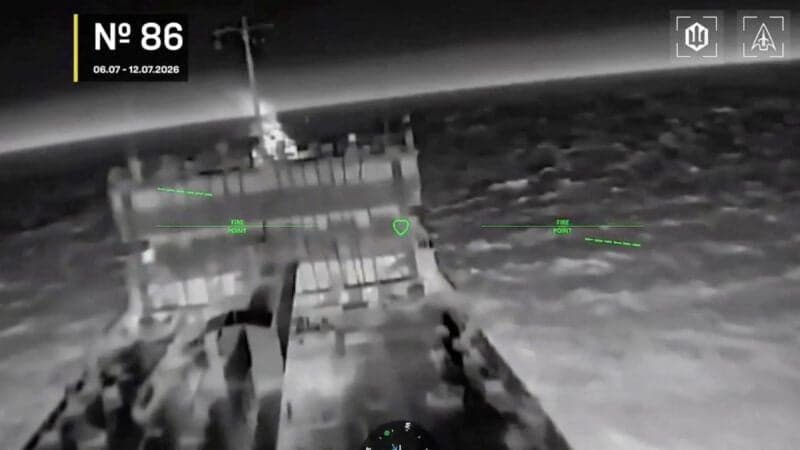
Overnight, both Russia and Ukraine launched attacks on each other's primary grain export ports. This development follows previous disruptions to maritime traffic within the Sea of Azov, indicating an escalation in hostilities impacting vital agricultural trade routes.
This ongoing conflict has significantly impacted Black Sea and Sea of Azov shipping, particularly for grain exports. The region is a major global supplier of wheat, corn, and other agricultural products, making any disruption critical for international food security and commodity markets.
For freight forwarders and shippers, these strikes introduce heightened operational risks and potential delays for vessels serving the affected regions. War risk insurance premiums are likely to increase, and carriers may re-evaluate their willingness to call at these ports, leading to capacity constraints and potential rerouting. The uncertainty surrounding port access and safety will necessitate constant monitoring of advisories and flexible logistics planning to mitigate supply chain disruptions and manage client expectations regarding transit times and costs.
Further developments will depend on the intensity and duration of these attacks, as well as any international responses aimed at securing safe passage for commercial shipping in the Black Sea and Sea of Azov.