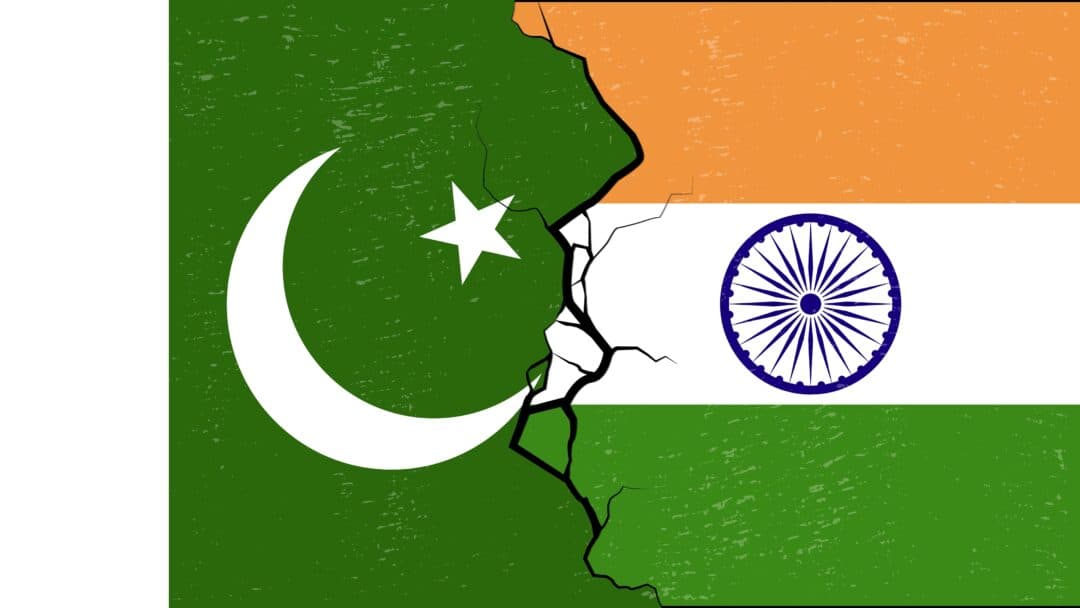
Airspace and trade restrictions imposed between India and Pakistan have triggered considerable disruption across regional and international supply chains. These measures have compelled both air and ocean freight operators to adjust their service routes.
Although direct bilateral trade between India and Pakistan is relatively limited, the primary impact is on cargo originating from or destined for third countries that typically transit through this region. This situation underscores the inherent fragility and interconnectedness of modern logistics networks, where localized restrictions can propagate wider effects.
For freight forwarders and shippers, this means increased transit times and potentially higher operational costs due to longer routes. Capacity might also be strained on alternative corridors. Forwarders will need to explore new routing options and communicate potential delays to clients. The disruption emphasizes the importance of flexible planning and diversified routing strategies to mitigate geopolitical risks.
In response to these reroutings, alternative logistics hubs, including Colombo (Sri Lanka) and Salalah (Oman), have quickly begun to absorb the diverted freight volumes. This shift indicates a rapid adaptation within the logistics industry to maintain cargo flow, albeit with altered pathways.