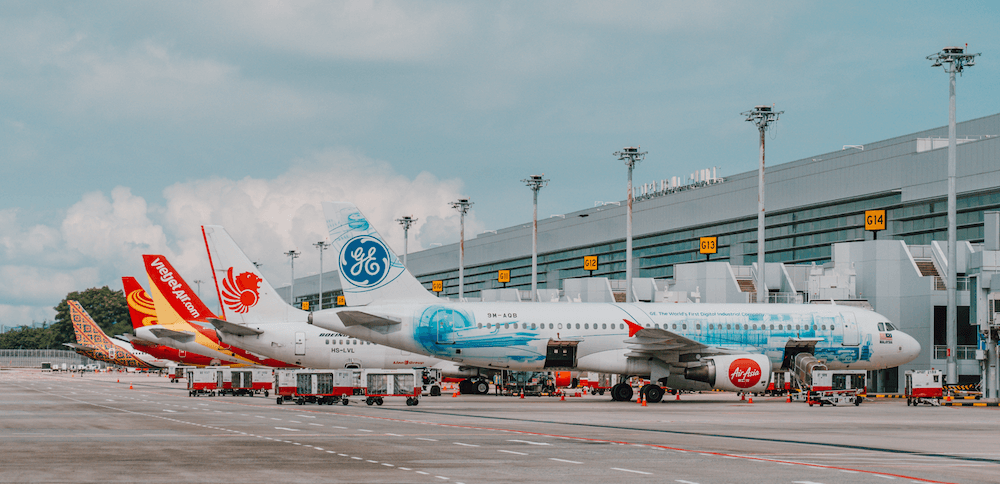
Singapore Changi Airport recorded 17.2 million passenger movements in the second quarter of 2026, marking a 1.5% reduction compared to the same period in the previous year. Concurrently, aircraft movements at the airport decreased by 1.3%, totaling 92,400 for the quarter. Despite the quarterly downturn, the airport's overall passenger traffic for the first half of 2026 showed a slight increase of 0.4%.
Growth in passenger demand was observed across several regions, with Europe seeing an 8.7% rise, Southwest Pacific increasing by 3.0%, and Northeast Asia growing by 5.1%. These figures indicate varying regional performance contributing to the overall traffic trends.
For freight forwarders and logistics professionals, these statistics on passenger and aircraft movements at a major hub like Changi are important for assessing belly cargo capacity. A slight decline in passenger flights could indicate a marginal reduction in available belly cargo space, potentially affecting air freight rates and capacity on specific routes, particularly those to Europe, Southwest Pacific, and Northeast Asia where passenger demand showed growth. Forwarders should monitor these trends for potential impacts on air cargo operations and pricing strategies.