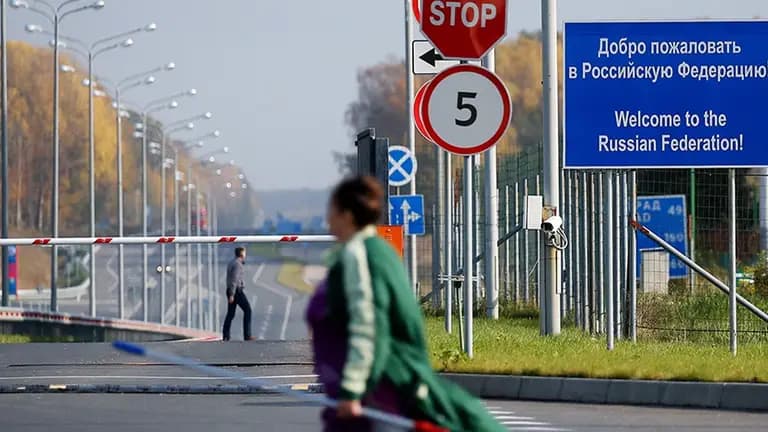
Russia has announced a temporary suspension of all movement through seven railway border crossings with Finland, Estonia, and Latvia, effective July 1, 2026. This measure will impact the transport of people, vehicles, goods, and cargo.
The decision is anticipated to intensify existing pressures on regional rail freight and cross-border logistics connecting Russia with Northern European countries. While the immediate impact on air cargo is expected to be indirect, freight forwarders and operations managers should prepare for potential shifts in multimodal strategies. This could include increased demand for alternative transport routes, such as road or sea, for cargo that previously utilized these rail links. Shippers may experience longer transit times and potentially higher costs as supply chains adapt to the closure of these critical rail arteries.
Forwarders should closely monitor the situation and communicate proactively with clients whose shipments rely on these routes, exploring alternative options and adjusting lead times accordingly. The move could also lead to a re-evaluation of current logistics networks in the Baltic Sea region.