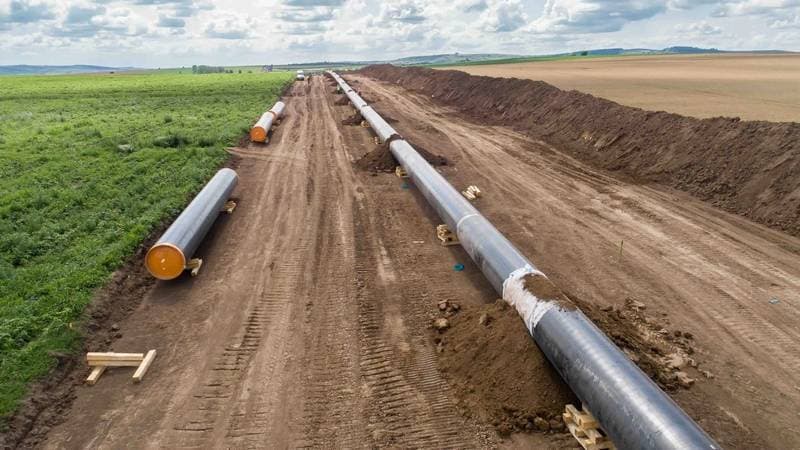
Israel's energy minister has indicated that a new oil pipeline linking Gulf nations to Europe via Israel could significantly decrease the region's dependence on the Strait of Hormuz for oil exports. This alternative route would also enable Gulf countries to circumvent the ongoing shipping disruptions in the Red Sea, which have impacted global oil prices and supply chains.
The context for this proposal stems from persistent geopolitical tensions and security challenges in key maritime passages, particularly the Red Sea, where recent incidents have caused significant delays and increased costs for shipping. The Strait of Hormuz, another critical chokepoint, also presents potential vulnerabilities for oil transit. Developing a direct pipeline offers a land-based solution to these maritime risks.
For freight forwarders and supply chain managers, this development could have several implications. A successful pipeline project would introduce a new, potentially more stable, and cost-effective route for oil transportation, reducing reliance on volatile sea lanes. This might lead to a re-evaluation of energy logistics strategies, potentially decreasing demand for tanker capacity through the Red Sea and Suez Canal, and subsequently impacting ocean freight rates and vessel deployment in those regions. It could also enhance energy security for Europe by diversifying supply routes.
While the article does not detail specific timelines or next steps, the discussion highlights a strategic move towards creating resilient energy infrastructure that can adapt to geopolitical shifts and minimize supply chain vulnerabilities.