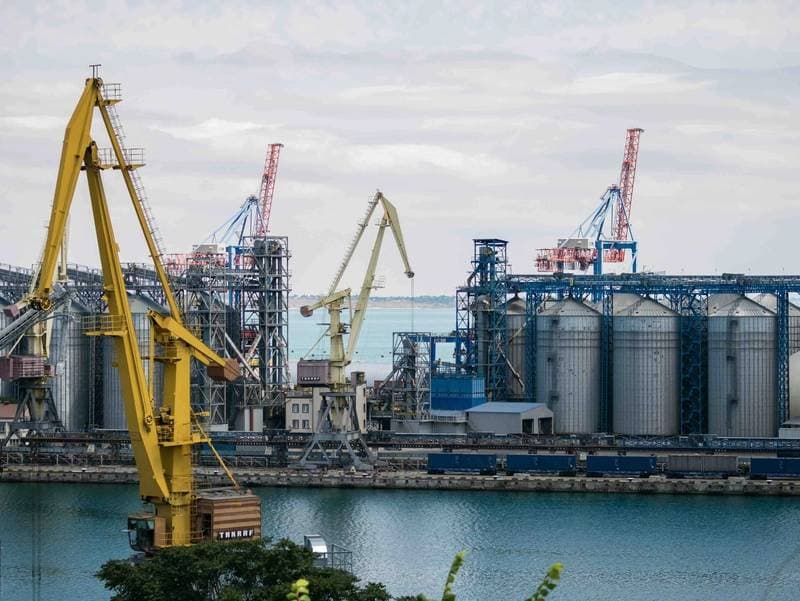
An analysis suggests that an over-reliance on the Automatic Identification System (AIS) is contributing to maritime collisions. AIS, initially implemented to enhance vessel tracking and security following events like 9/11 and the introduction of the ISPS Code, has become a critical tool for navigation and collision avoidance. However, the study indicates that mariners may be placing too much trust in the system's accuracy and real-time data, potentially neglecting traditional navigational practices and situational awareness.
For freight forwarders and operations managers, this implies that while AIS provides valuable visibility for tracking shipments and managing vessel schedules, it should not be the sole basis for assessing real-time vessel movements or potential delays due to incidents. The inherent risks associated with AIS over-reliance could lead to unexpected disruptions, such as vessel damage or route deviations, impacting delivery times and potentially increasing cargo insurance claims. It underscores the importance of integrating multiple data sources and maintaining robust risk assessment protocols beyond just AIS data.
The findings emphasize the need for ongoing training for maritime personnel to ensure a balanced approach to navigation, combining advanced technology with fundamental seamanship and critical judgment. This includes understanding AIS limitations, such as potential data latency, spoofing, or system failures, and not allowing it to replace visual lookout or radar interpretation.