Seven key OPEC+ countries—Saudi Arabia, Russia, Iraq, Kuwait, Kazakhstan, Algeria, and Oman—held a virtual meeting on July 5, 2026, to evaluate the current state and future outlook of the global oil market. These nations, which had previously announced voluntary production adjustments in April and November 2023, collectively decided to implement further adjustments. This decision underscores their ongoing commitment to maintaining stability within the international oil market.
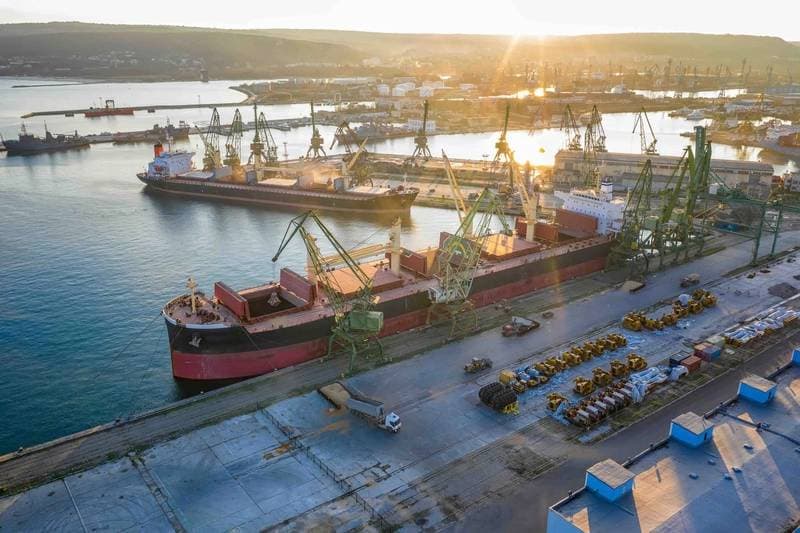
For freight forwarders and operations managers, these oil production adjustments can influence bunker fuel prices, which are a significant component of ocean freight costs. A reduction in oil supply, if not offset by demand, could lead to higher crude prices and subsequently increased bunker fuel expenses for carriers. This might translate into higher surcharges (e.g., BAF/ECA) for shippers and forwarders, impacting overall transportation costs and potentially affecting routing decisions or carrier selections. Conversely, if the adjustments are perceived as stabilizing, they could prevent extreme price volatility, offering some predictability in fuel costs.
The specific details of the production adjustments were not disclosed in the source, but the general intent is to manage supply to align with global demand forecasts. The impact on bunker prices will depend on the scale of these adjustments and the broader geopolitical and economic context at the time of implementation.