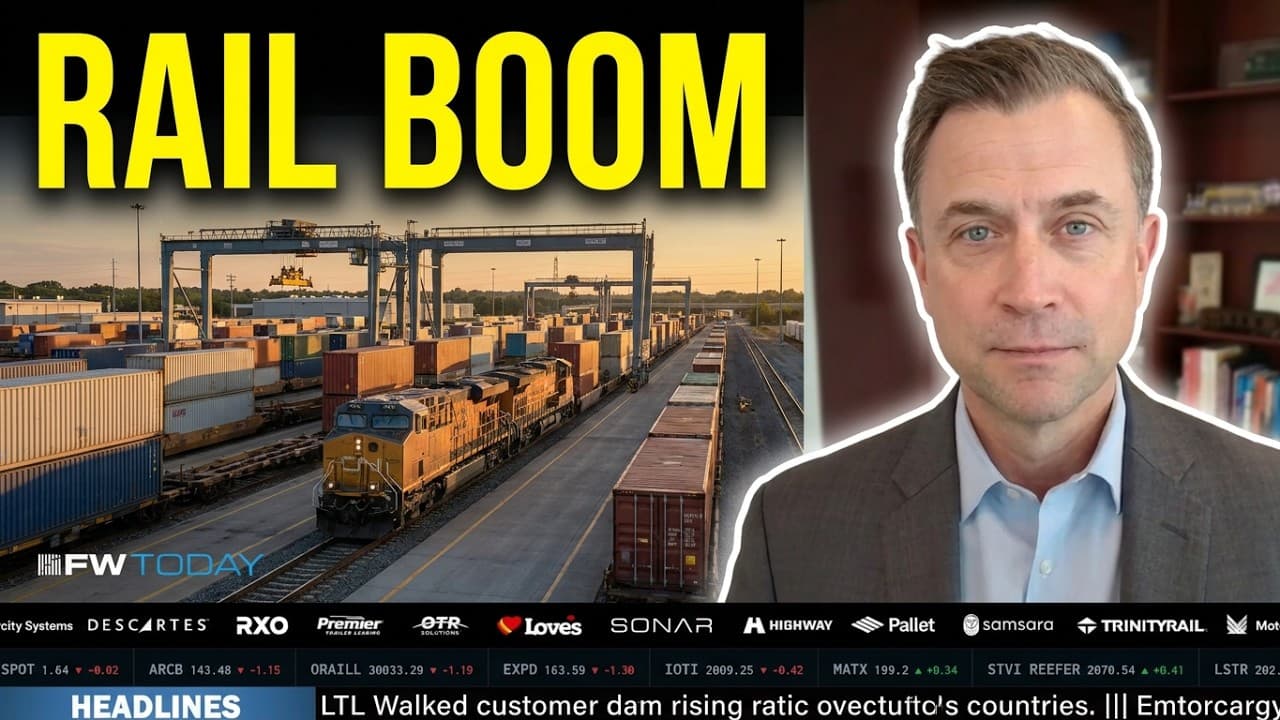
North American rail freight is experiencing a robust performance in 2026, marked by record-breaking volumes in both carloads and intermodal units. This growth is broad-based, impacting various industrial sectors from chemicals to motor vehicles, according to data from the Association of American Railroads (AAR). Ian Jefferies, AAR President and CEO, highlighted that several market dynamics are contributing to this resurgence.
Key factors influencing the shift towards rail include fluctuating fuel prices, which can make rail a more cost-effective option compared to trucking for long-haul movements. Additionally, ongoing capacity challenges within the trucking industry are pushing shippers to explore alternative modes. Regulatory changes are also playing a role in shaping the competitive landscape, further enhancing rail's position.
For freight forwarders and operations managers, this trend suggests a potential shift in modal preferences for certain types of cargo. Increased rail utilization could lead to more competitive pricing for intermodal services and improved transit times on key corridors, especially for bulk commodities and manufactured goods. Forwarders should monitor rail network capacity and service reliability, as sustained growth could impact lead times and equipment availability. Understanding the interplay between fuel costs and trucking capacity will be crucial for optimizing routing and cost for clients.
While the article does not specify future developments, the current trajectory indicates that rail freight will continue to be a significant component of the North American logistics network, potentially absorbing more volume from the road sector.