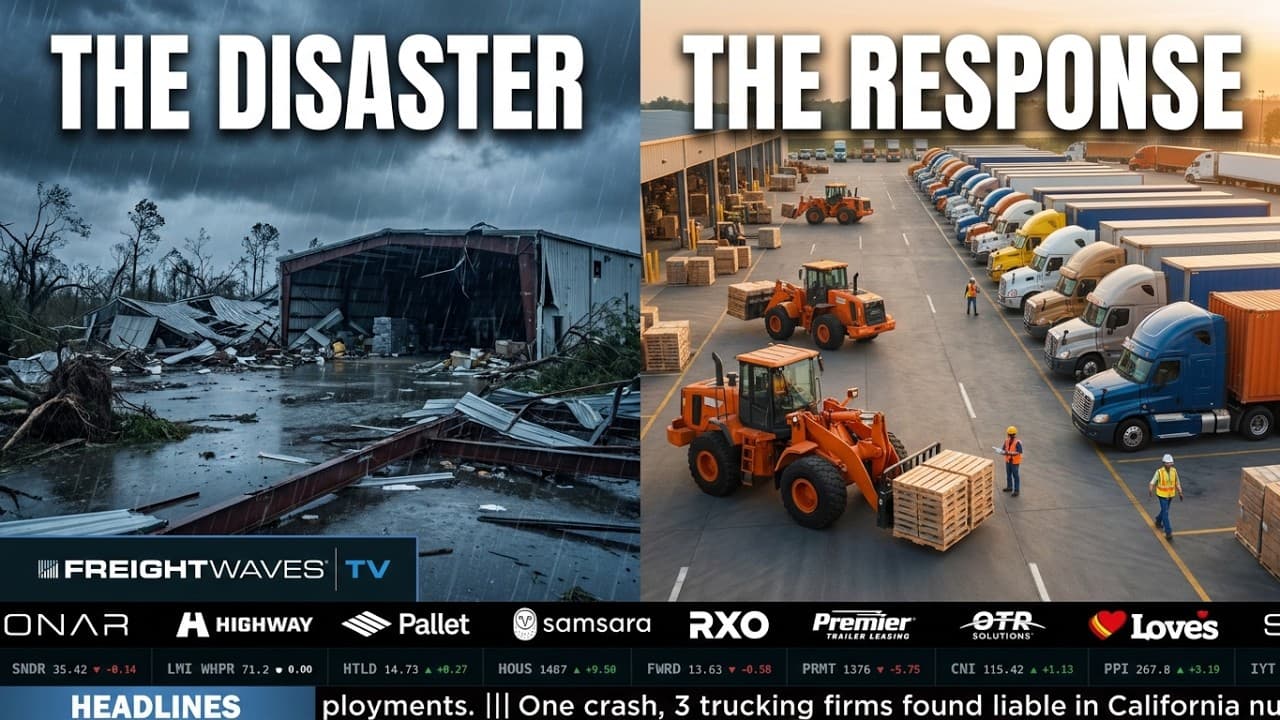
The logistics industry plays a critical role in disaster response, particularly during hurricane season, by ensuring the continuity of supply chains. Michelle Livingstone, founder of M.D. Livingstone Consulting, emphasizes that the sector's ability to maintain operations and deliver essential goods during crises is a testament to its inherent resilience. Her experience, including managing hurricane responses from Home Depot's command center, underscores the importance of robust logistical frameworks.
Key factors contributing to this resilience include improved visibility across the supply chain, which allows for better tracking of goods and resources, and the formation of strategic partnerships. These collaborations enable faster response times and more efficient resource allocation. Furthermore, a strong commitment to supporting personnel is vital, as the human element is indispensable in executing complex logistics operations under pressure.
For freight forwarders and operations managers, this means prioritizing investments in real-time visibility tools and fostering strong relationships with carriers and other logistics providers. Developing comprehensive disaster preparedness plans, including alternative routing and contingency staffing, is essential to minimize disruptions and maintain service levels during emergencies. The ability to quickly adapt and reroute shipments can mitigate delays and ensure critical cargo reaches its destination, potentially impacting rates and capacity availability in affected regions.