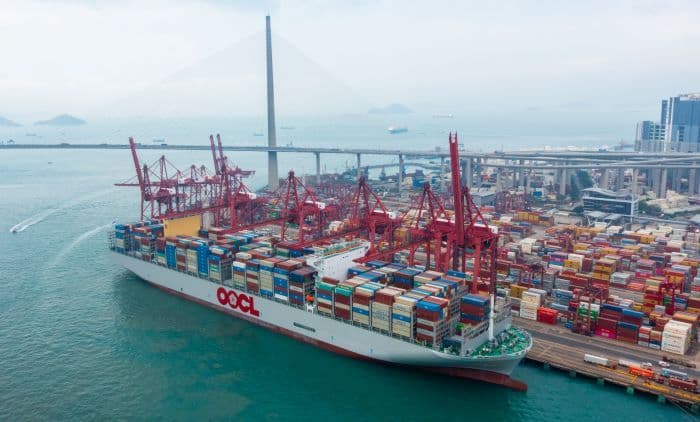
Lloyd's Register (LR), in collaboration with industry partners, has undertaken a study focused on improving the efficiency of container feeder vessels. These ships, often referred to as the "unsung heroes" of logistics, play a vital role in connecting smaller ports to major hubs, thereby facilitating global trade. The research specifically addresses the inherent challenges of feeder operations, such as constrained vessel space and the highly competitive environment where optimizing every twenty-foot equivalent unit (TEU) of cargo is paramount.
For freight forwarders and operations managers, insights into feeder vessel efficiency are directly relevant to supply chain reliability and cost management. Improved feeder efficiency can lead to more consistent transit times, better schedule adherence, and potentially lower operational costs for carriers, which may translate into more stable or competitive rates for shippers. Understanding these dynamics helps forwarders better plan their multimodal routes, especially for cargo originating from or destined for regions not served by ultra-large container vessels. Enhanced efficiency also contributes to better capacity utilization, potentially reducing instances of rollovers or delays at transhipment points.
The findings from this study could influence future vessel designs, operational strategies, and technological adoptions within the feeder segment. Any advancements in this area would aim to bolster the resilience and cost-effectiveness of the broader container shipping network.