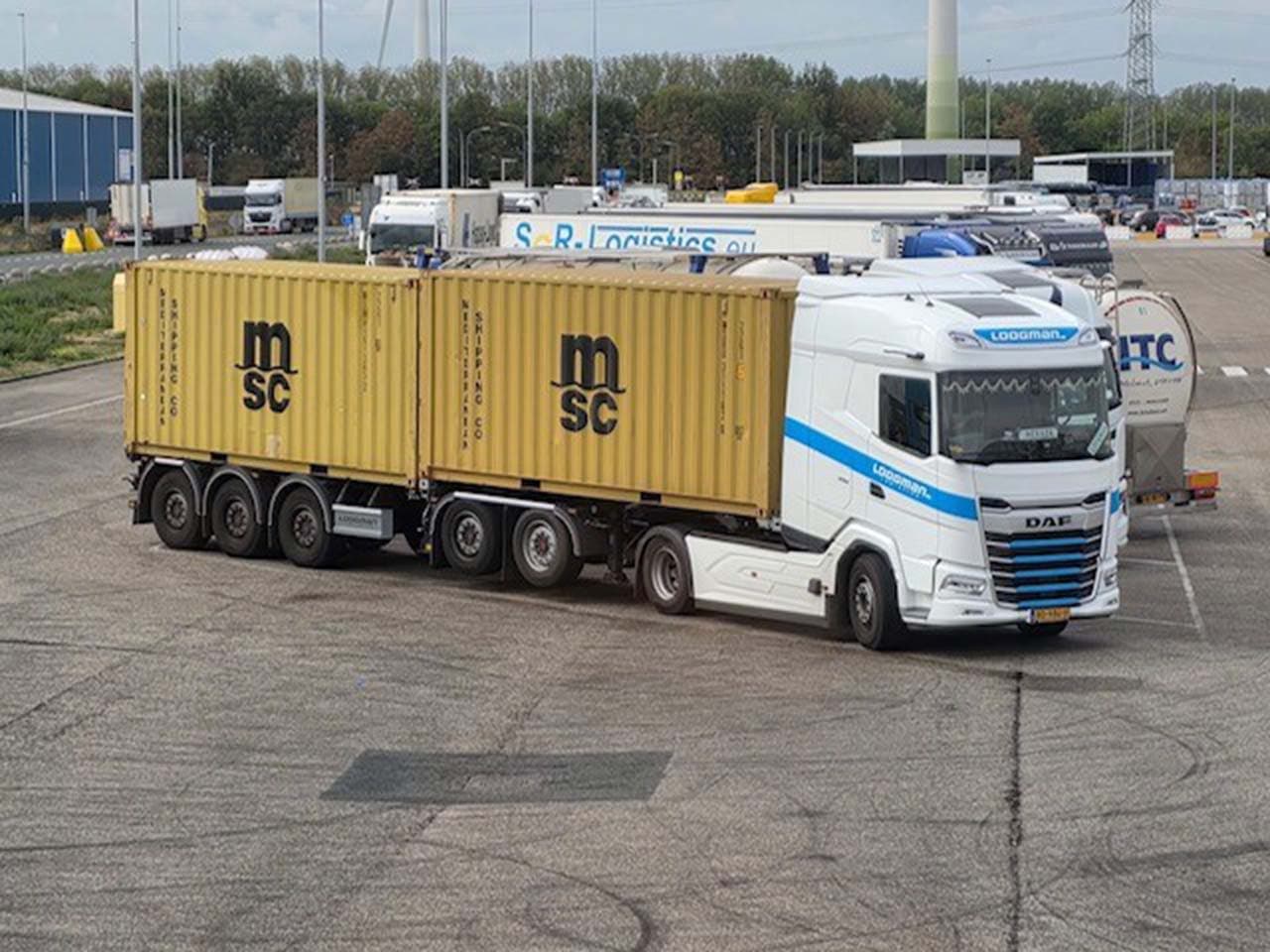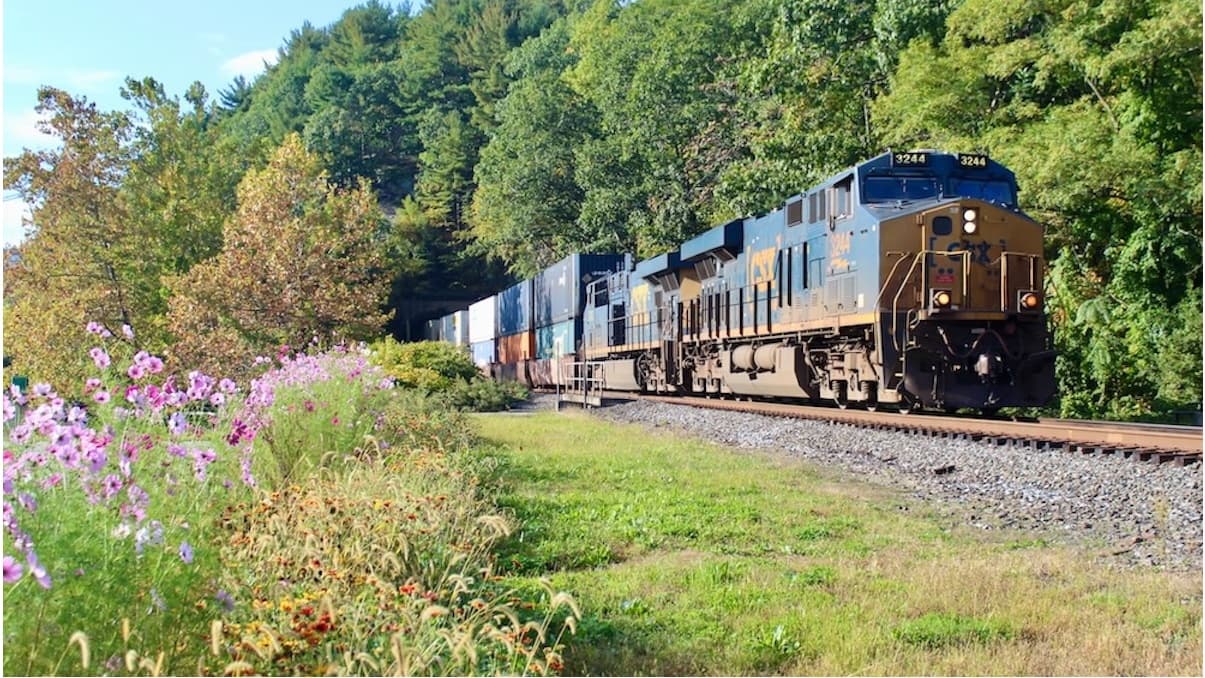
The primary U.S. rail systems are experiencing operational slowdowns due to a substantial increase in intermodal freight volume. This surge is largely attributed to escalating fuel prices and higher costs within the trucking sector, making rail a more attractive alternative for shippers.
For freight forwarders and operations managers, this development means potential delays in rail transit times and reduced schedule reliability for cargo moving across the United States. Shippers may face longer lead times and require more flexible planning for their domestic supply chains. The shift from road to rail highlights the interconnectedness of transport modes and how cost pressures in one sector can quickly impact another. Forwarders should anticipate potential capacity constraints and communicate proactively with clients regarding revised delivery expectations.
While the article does not specify future developments, the trend suggests that if fuel and trucking costs remain elevated, intermodal rail will continue to see high demand, potentially exacerbating current delays unless rail infrastructure and operational efficiency are significantly enhanced.