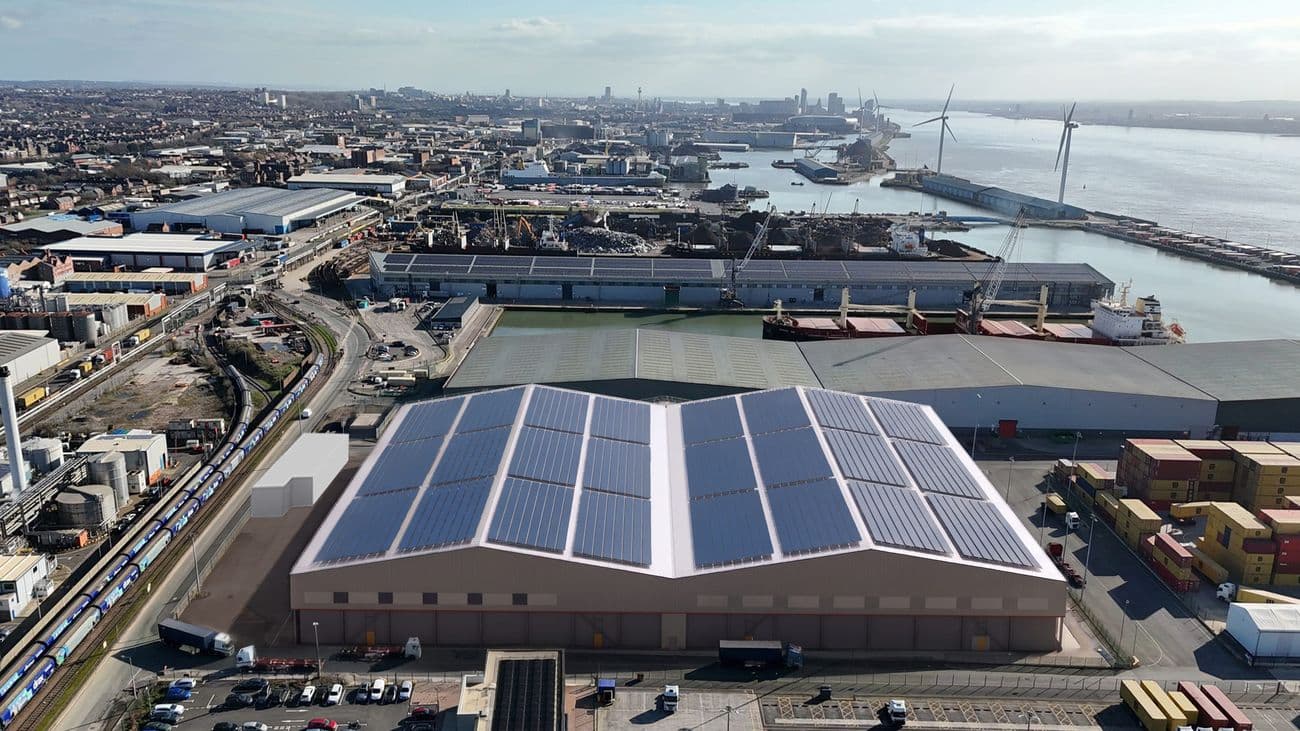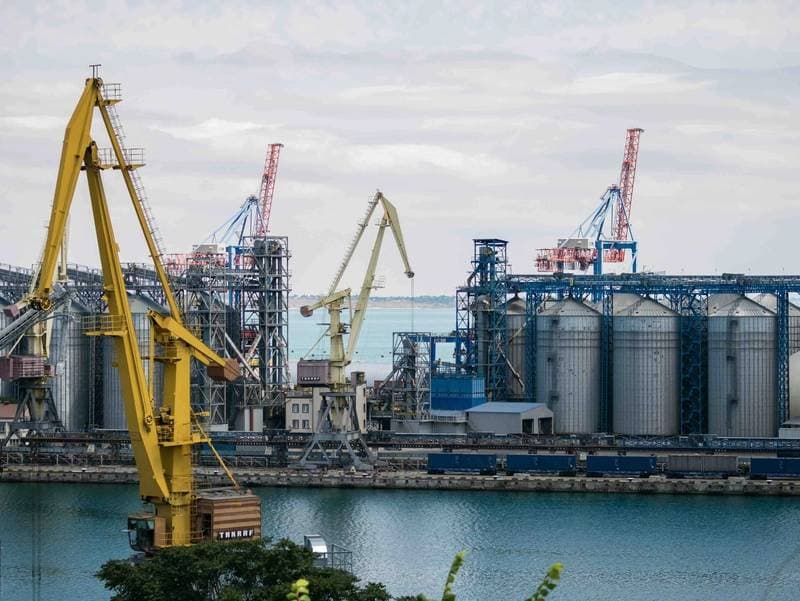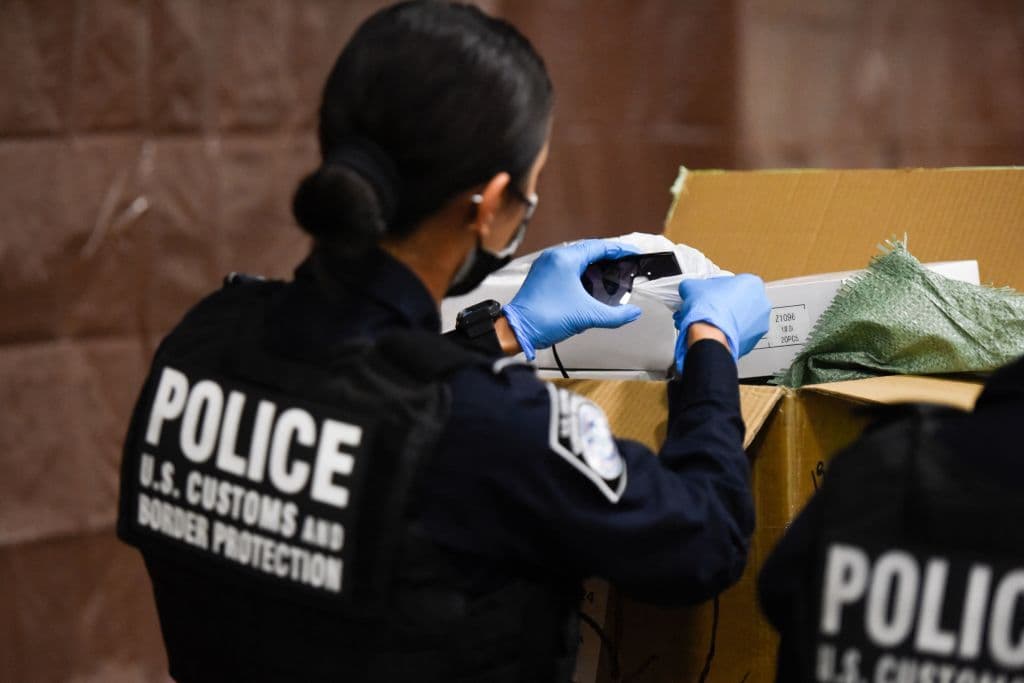
US Customs and Border Protection (CBP) has significantly increased its security inspections at seaports across the United States. This enhanced scrutiny is reportedly causing substantial delays in cargo processing and release, reminiscent of the security measures implemented immediately following the September 11th attacks.
For freight forwarders and shippers, these prolonged inspection times translate directly into higher operational costs, primarily through demurrage charges. As containers remain at terminals longer awaiting clearance, the fees incurred for exceeding free-time limits will accumulate. This situation demands careful planning and communication with clients regarding potential delays and associated expenses. Forwarders may need to adjust their service level agreements and provide more buffer time for customs clearance, potentially impacting transit times and delivery schedules.
The current environment suggests that forwarders should proactively communicate with their BCO (Beneficial Cargo Owner) clients about the potential for extended dwell times and the financial implications. Exploring options for pre-clearance or expedited processing, where available, might mitigate some risks. Monitoring CBP updates and port conditions will be crucial for managing expectations and optimizing routing strategies.