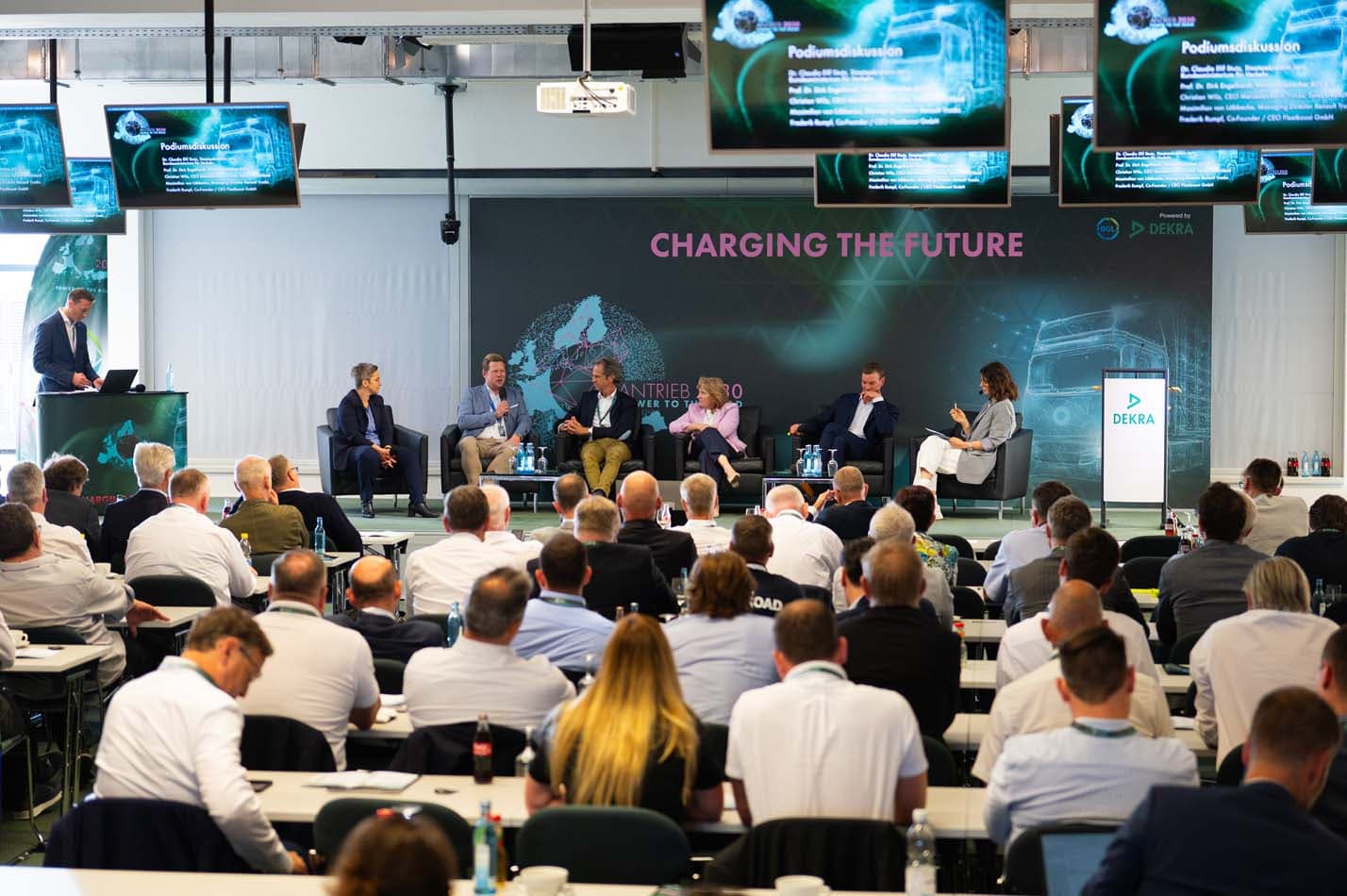
German transport association BGL and inspection body DEKRA recently convened the 'Future Day Commercial Vehicles 2026' event, where a key conclusion was reached regarding the transition to zero-emission trucks. While the technology for these vehicles is readily available, their widespread deployment is currently constrained by insufficient charging infrastructure, limited grid capacity, and a lack of predictable government policy.
For freight forwarders and logistics operators, this indicates that the shift to electric or hydrogen-powered trucking in Germany will likely face delays without significant investment and clear regulatory frameworks. The current challenges could impact operational planning, fleet renewal strategies, and the ability to meet sustainability targets. Forwarders should anticipate potential bottlenecks in charging availability, especially for long-haul routes, and factor in the need for stable policy support to justify substantial investments in new vehicle fleets and associated infrastructure.