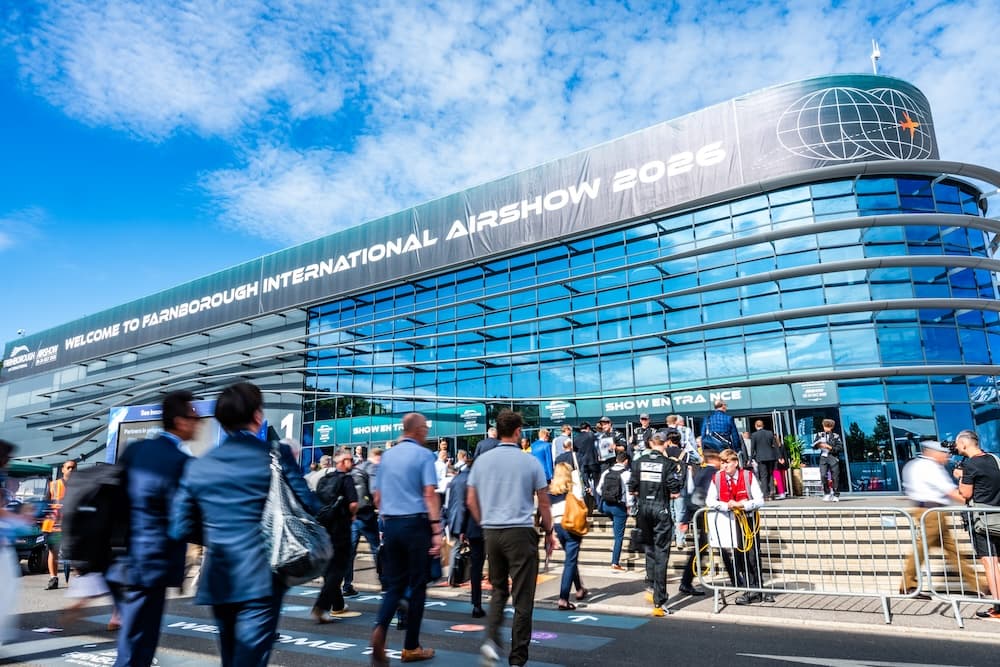
The fourth day of the Farnborough Airshow prominently featured discussions and updates on future aviation technologies. Airbus provided insights into the advancements of its LEIA hybrid-electric research program, signaling ongoing innovation in sustainable aircraft propulsion. Concurrently, Leonardo announced the return to service of its Excalibur flight test aircraft, which is crucial for developing technologies for future combat aircraft.
In parallel, the event underscored the sustained strength of commercial aviation demand. Fuji Dream Airlines placed orders for additional Embraer E175 regional jets, indicating continued expansion plans. Similarly, flynas increased its existing commitments for Airbus aircraft, reflecting growth in its fleet requirements.
For freight forwarders and logistics professionals, while this news primarily concerns passenger and military aviation, the sustained demand for new commercial aircraft can indirectly influence air cargo capacity. New passenger aircraft often include belly cargo space, which, over time, could contribute to overall air cargo capacity, particularly on regional and international routes served by these airlines. The focus on hybrid-electric technology also hints at long-term shifts towards more sustainable aviation, which could eventually impact fuel costs and regulatory compliance in air cargo.