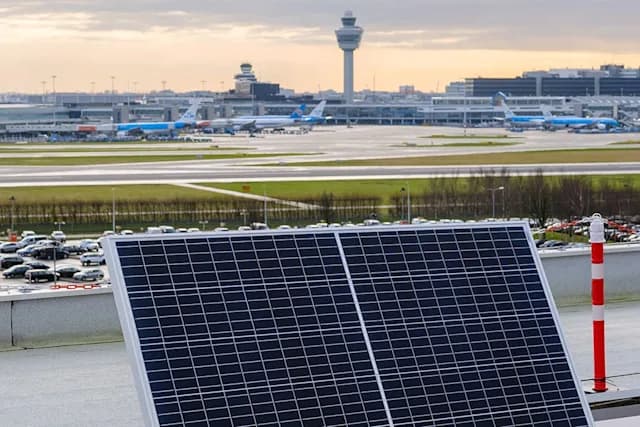
Major air cargo hubs across Europe, including Amsterdam Schiphol, Frankfurt, and Leipzig/Halle, are actively implementing strategies to enhance sustainability. These efforts involve significant investments in renewable energy sources, the electrification of ground support equipment, and the development of sustainable infrastructure. The primary goal is to accommodate increasing air freight volumes while substantially lowering carbon emissions and improving overall operational stability.
These airports are adopting various technologies to achieve their environmental objectives. Examples include the deployment of electric vehicles and machinery for ground operations, the integration of solar power generation, advanced energy management systems, and digital tools designed to optimize efficiency. This comprehensive approach reflects a growing industry-wide focus on environmental responsibility and long-term operational viability.
For freight forwarders and logistics professionals, this shift towards greener cargo hubs means several things. It indicates a potential for reduced scope 3 emissions from air cargo operations as airport infrastructure becomes more sustainable. It also suggests a future where supply chains can leverage more environmentally friendly options, potentially aligning with their own corporate sustainability goals. While direct rate impacts are not immediately clear, the long-term benefits could include more resilient operations and a reduced environmental footprint for air cargo movements through these key European gateways.