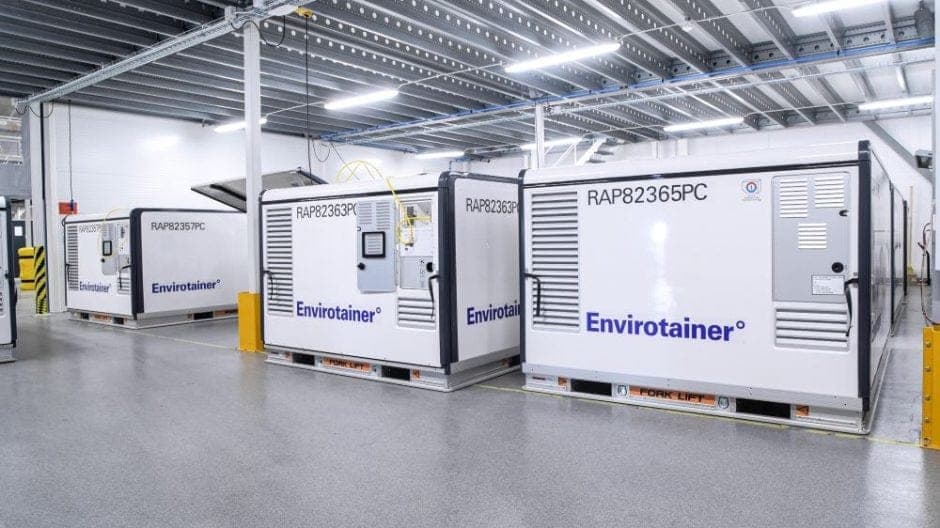
The trans-Pacific shipping lane is experiencing sustained cargo volumes due to significant imports of hardware and infrastructure components destined for data center developments. This influx of specialized cargo is effectively counteracting a noticeable weakness in the consumer merchandise sector, which would otherwise lead to a more pronounced dip in overall shipping activity. Industry sources indicate that while traditional peak season drivers like consumer spending on general goods are subdued, the robust demand for data center build-out materials is creating an artificial peak.
For freight forwarders and operations managers, this means a bifurcated market on the trans-Pacific. While general consumer goods shipments might be slow, there is consistent demand and potentially better rates for cargo related to data center infrastructure. Forwarders should be aware that capacity might be tighter for specialized equipment or project cargo, even if overall vessel utilization appears moderate. This also suggests a shift in the types of goods driving freight demand, requiring a more nuanced approach to forecasting and capacity planning. Shippers of consumer goods may find more favorable conditions, while those involved in tech infrastructure projects might face different challenges.