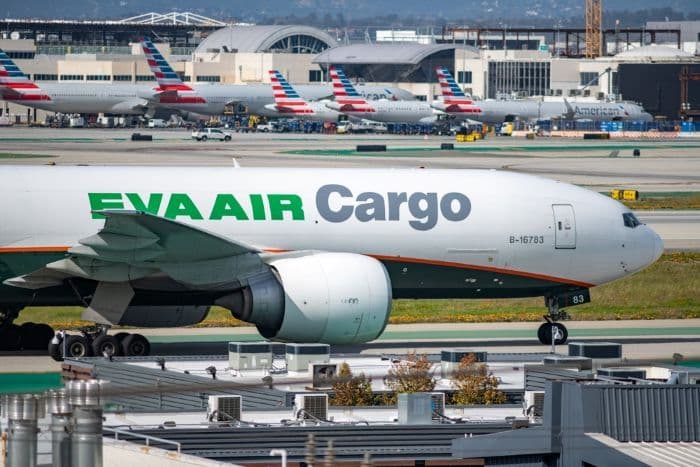
Air cargo carriers are currently implementing higher fuel surcharges as a direct response to the recent escalation in jet fuel prices. Many long-haul freighter operators are now reviewing and adjusting these surcharges every two weeks to quickly pass on the increased operational expenses to their customers.
This development comes amidst a volatile market environment where energy costs are fluctuating significantly. Airlines, particularly those operating extensive international routes, are highly susceptible to fuel price changes, which constitute a substantial portion of their operating expenditures.
For freight forwarders and shippers, this means an immediate impact on air freight costs. Expect more frequent and potentially unpredictable adjustments to overall shipping prices. Forwarders should closely monitor these surcharge updates and factor them into their quotes and budgeting, advising clients on the potential for short-notice rate changes. Capacity might remain stable, but the cost component will be more dynamic.
It is anticipated that this trend of frequent surcharge adjustments will continue as long as jet fuel prices remain volatile, forcing carriers to maintain agility in their pricing strategies.