The pharmaceutical logistics industry is evolving significantly, shifting its focus from simple shipment tracking to sophisticated real-time operational intelligence. This transformation aims to empower companies with the ability to anticipate potential disruptions, protect the integrity of temperature-sensitive pharmaceutical products, maintain strict regulatory compliance, and ultimately enhance the overall resilience of their supply chains.
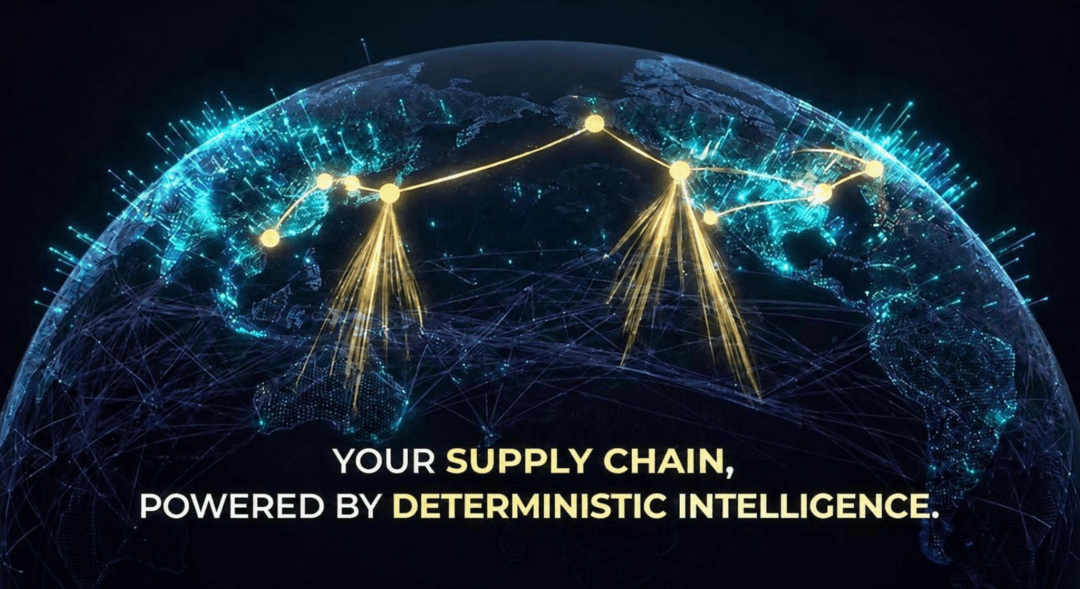
Artificial intelligence (AI) is playing an increasingly vital role in supporting these advancements within pharma logistics. However, for critical operational decision-making, there is a distinct preference for deterministic, physics-based AI models over generative AI. This preference stems from the need for repeatability, accountability, and the high level of regulatory confidence required when handling high-value, patient-critical pharmaceuticals. These models provide the precise, verifiable insights necessary to ensure product safety and efficacy throughout the cold chain.
For freight forwarders and operations managers, this trend signifies a move towards more proactive and less reactive logistics management. The adoption of predictive networks means a potential reduction in unexpected delays and spoilage for pharmaceutical shipments, leading to improved on-time delivery performance and reduced costs associated with product loss. It also implies a greater demand for logistics partners capable of integrating and leveraging such advanced AI-driven systems, particularly those specializing in cold chain management. Forwarders should anticipate stricter data requirements and a need for enhanced visibility tools to align with these evolving industry standards, ultimately benefiting from more stable and reliable pharma supply chains.