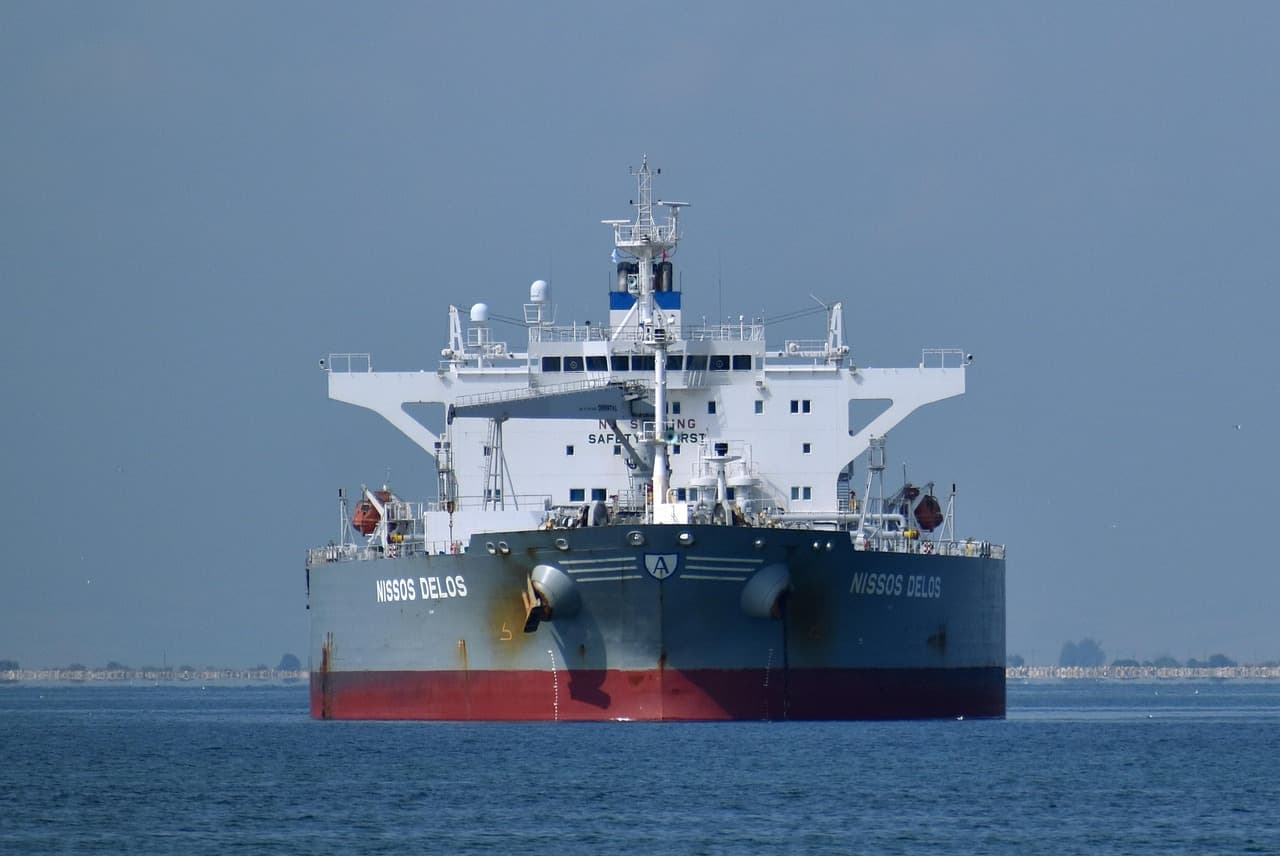
The tanker market is facing a potential oversupply crisis following an unprecedented ordering spree. In just 90 days, 88 Very Large Crude Carriers (VLCCs) were ordered, representing an investment of $10.4 billion. This significant fleet expansion comes on the heels of a period where VLCC owners experienced record daily earnings, reportedly up to $480,000, largely due to disruptions like the closure of the Strait of Hormuz.
This rapid increase in new vessel orders is raising concerns within the industry about a classic shipping cycle bust. Historically, periods of high earnings often lead to excessive newbuild orders, which eventually result in overcapacity when these vessels are delivered, driving down freight rates and profitability.
For freight forwarders and shippers, this development could signal a future softening of tanker freight rates as more vessels enter service. While lower rates might be beneficial for shippers of crude oil, the volatility introduced by such a boom-and-bust cycle makes long-term planning challenging. Forwarders should monitor the delivery schedules of these new VLCCs and anticipate potential shifts in capacity and pricing dynamics in the crude oil shipping sector.