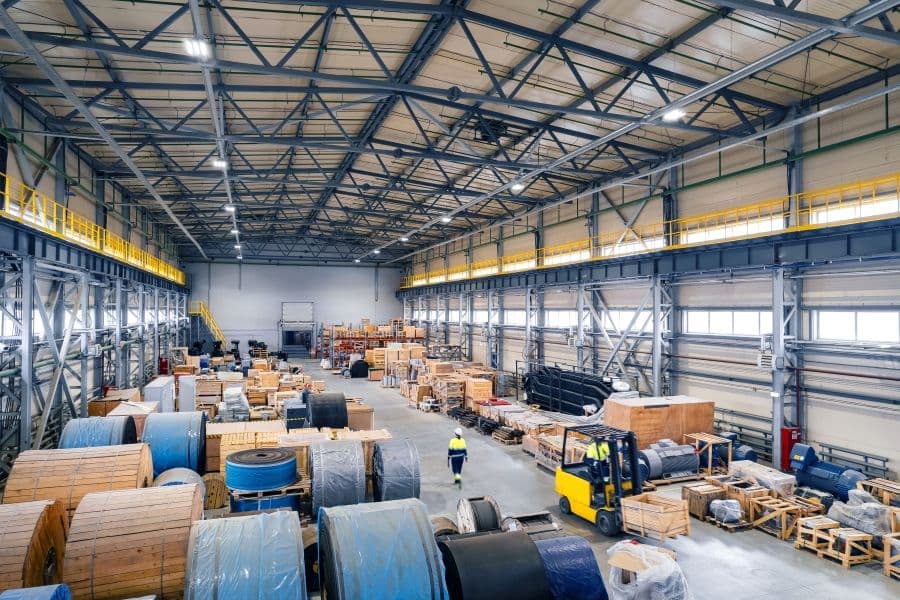
Industrial real estate vacancy rates are currently declining in significant inland logistics centers across the United States, including Chicago and Indianapolis. This reduction in available space is primarily attributed to two key factors: the strategic front-loading of imports by businesses and the rapid expansion of data center construction. The practice of front-loading imports involves bringing goods into the country earlier than usual to mitigate potential supply chain disruptions, thereby increasing demand for warehousing and storage capacity.
For freight forwarders and operations managers, this trend indicates a tightening market for warehouse space in crucial distribution regions. This could lead to increased costs for storage and potentially longer lead times for securing suitable facilities, especially for large volumes of cargo. Forwarders may need to plan further in advance for warehousing needs and explore alternative, potentially more distant, storage options if primary hubs become constrained. The sustained demand from data center development also suggests that this pressure on industrial real estate is not merely a short-term fluctuation but a structural shift, potentially impacting long-term logistics planning.