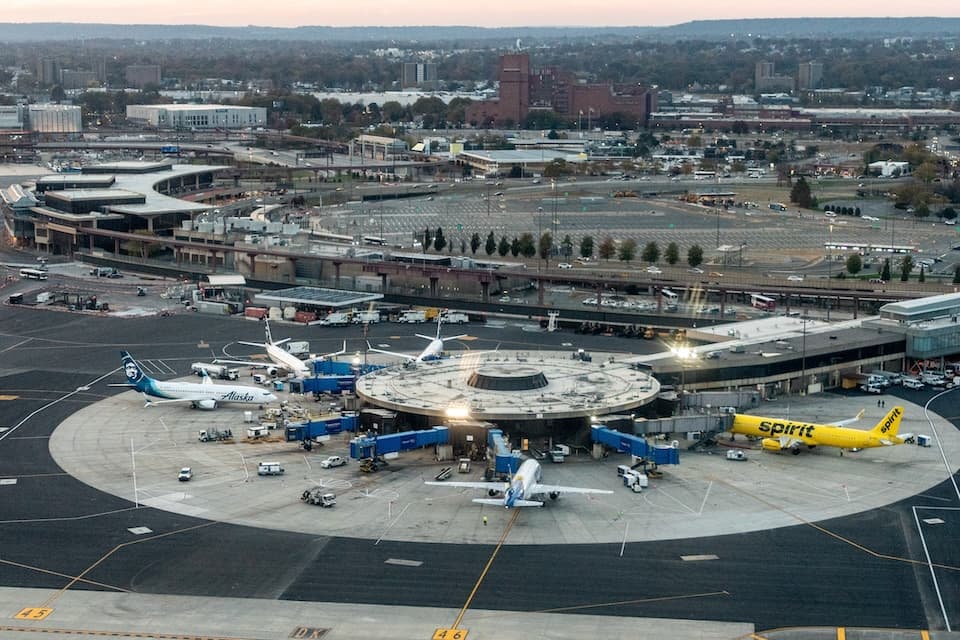
US airfreight forwarders, along with major airlines and various supply chain organizations, have voiced significant apprehension regarding potential changes to Customs and Border Protection (CBP) activities at US ports of entry. Reports indicate that the Department of Homeland Security (DHS) is considering either reducing or entirely halting CBP processing for international flights arriving at airports situated within 'sanctuary cities.'
This proposed policy shift is seen as a direct response to ongoing political debates surrounding immigration enforcement. The concept of 'sanctuary cities' generally refers to jurisdictions that limit their cooperation with federal immigration authorities.
For freight forwarders and shippers, any reduction in CBP staffing or operational hours at key air cargo hubs would likely lead to substantial delays in customs clearance. This would directly impact the transit times of critical shipments, including perishables, pharmaceuticals, and high-value manufacturing components, potentially increasing costs and reducing supply chain reliability. Forwarders may need to explore alternative routing through airports not designated as 'sanctuary cities,' which could add complexity and expense to their logistics operations.