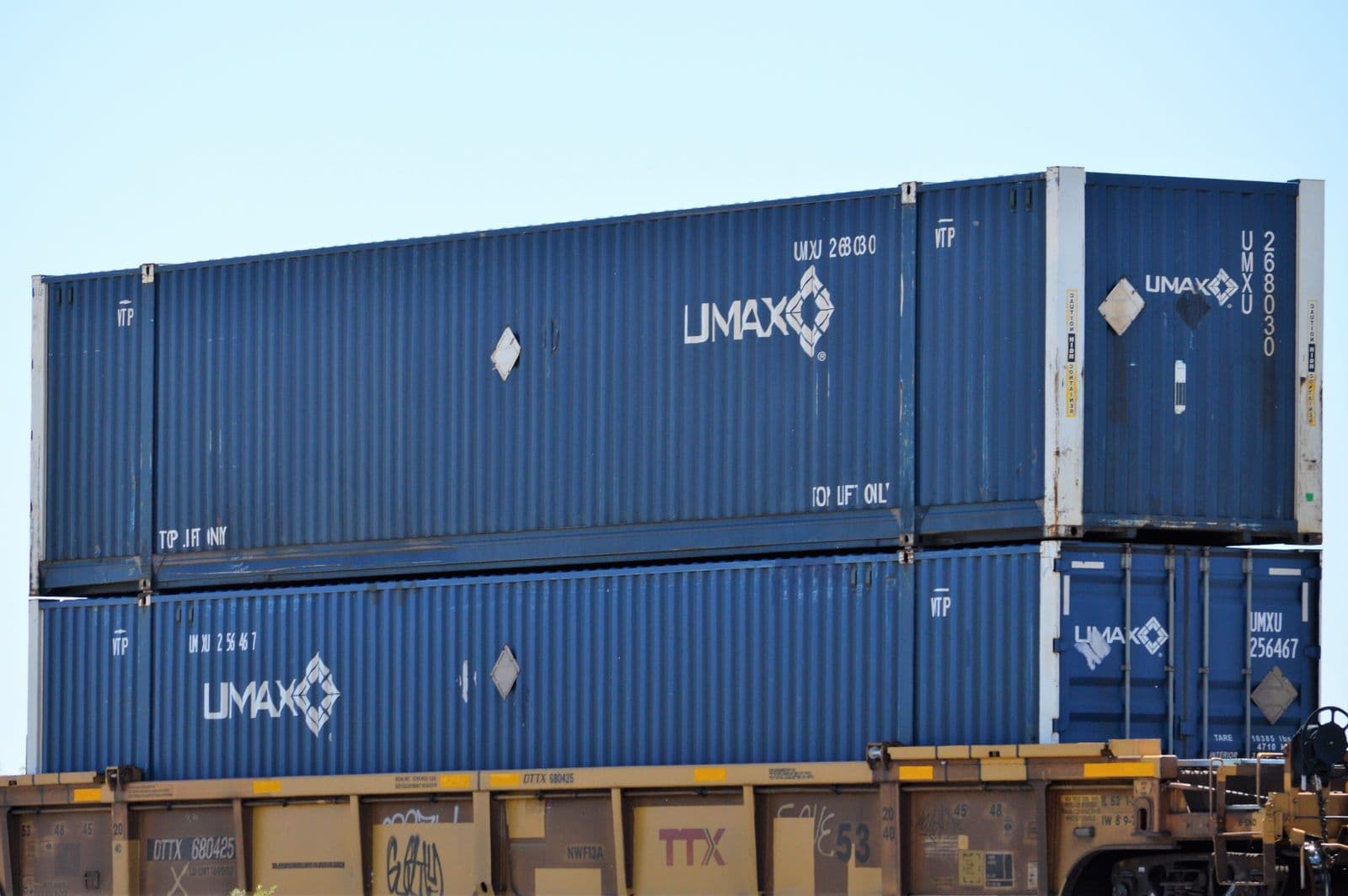
Union Pacific (UP) has announced a peak season surcharge targeting shippers with lower freight volumes, a measure not seen this early in the year for five years. This decision by the railroad signals an expectation that businesses will increasingly divert cargo from road transport to rail. The primary drivers for this anticipated modal shift are the sustained high costs associated with trucking and rising fuel prices.
For freight forwarders and operations managers, this surcharge means that budgeting for rail shipments, particularly for smaller or less frequent volumes, will need to account for additional costs. The early imposition of this fee suggests that rail capacity might become tighter than usual during what UP considers an extended peak season, potentially impacting lead times and routing decisions. Shippers currently relying on road transport for cost-sensitive goods may find rail less attractive if the combined base rate and surcharge negate the savings from higher trucking and fuel costs. Forwarders should proactively communicate these potential surcharges to clients and explore alternative strategies or consolidate shipments where feasible to mitigate the impact.