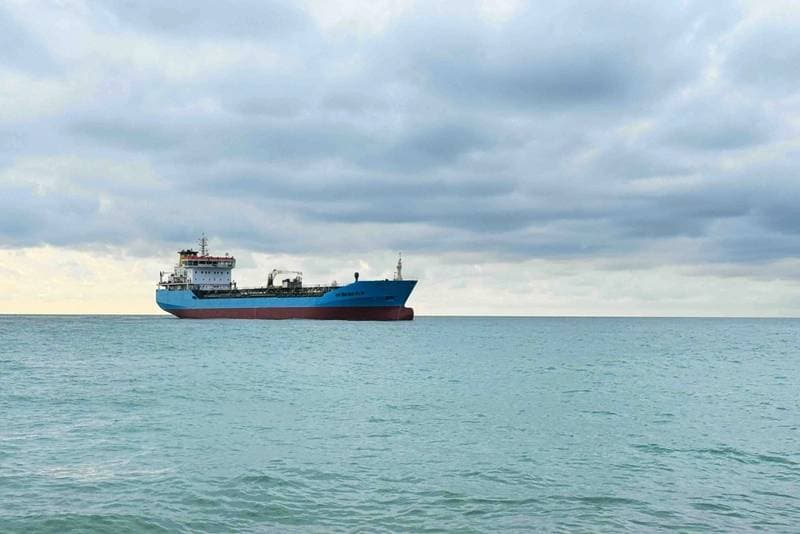
The United Kingdom's Emissions Trading Scheme (ETS) is set to expand its scope to include the maritime sector, with implementation scheduled for July 1, 2026. This move is a key component of the UK's broader strategy to reach net-zero carbon emissions. The expansion will necessitate that shipping companies operating within UK waters monitor and report their greenhouse gas emissions, and subsequently purchase allowances for these emissions under the ETS framework.
For freight forwarders and shippers, this regulatory change signifies a potential increase in operational expenses for ocean carriers. These additional costs, stemming from the purchase of carbon allowances, are likely to be passed on to customers through higher freight rates or new surcharges. Forwarders will need to factor these impending costs into their pricing and routing strategies, especially for shipments involving UK ports. Shippers should anticipate adjustments in their logistics budgets and potentially explore more carbon-efficient shipping options to mitigate the financial impact.
This development aligns with a global trend towards decarbonizing the shipping industry, mirroring similar initiatives like the EU ETS for maritime. The UK's commitment to strengthening its carbon market underscores a growing regulatory push for environmental accountability in logistics.