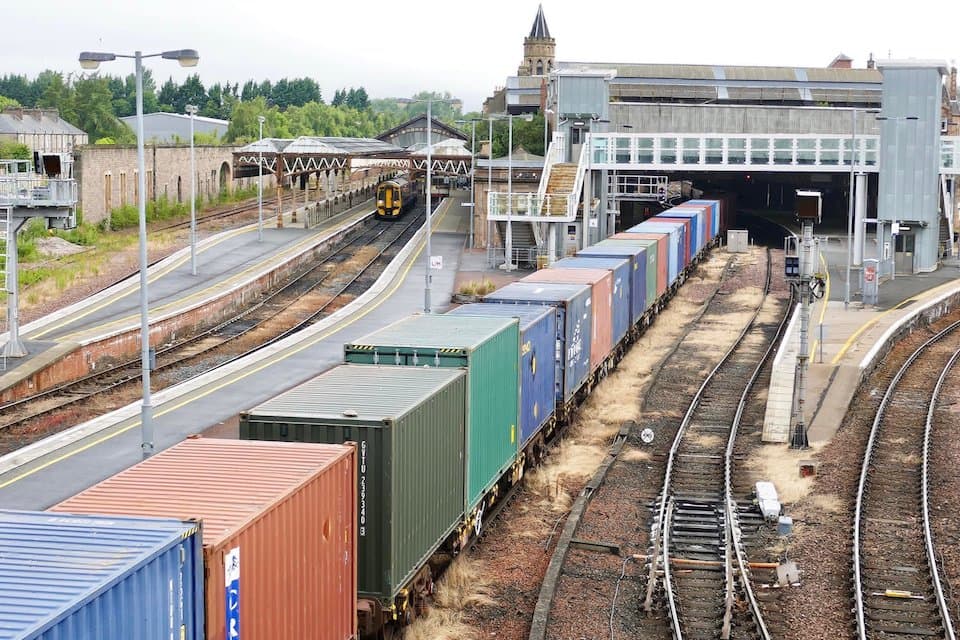
The resignation of the UK Defence Secretary this week has brought into focus the vulnerabilities within the nation's critical infrastructure, particularly its rail network. This event has prompted a broader discussion among transport stakeholders regarding the preparedness and protection of these essential systems against various threats, including those of a geopolitical nature.
For freight forwarders and logistics professionals, this development signals a need to assess the potential for disruption to rail services. Any compromise to the rail network, whether from cyberattacks, physical sabotage, or other forms of interference, could severely impact cargo movement, leading to delays, increased costs, and supply chain bottlenecks. Forwarders should consider diversifying routing options and building contingency plans to mitigate risks associated with potential rail network instability.
While the article does not specify immediate next steps, the broader implication is that the UK government and transport operators will likely face increased pressure to enhance security measures and resilience planning for the rail sector. This could involve investments in cybersecurity, physical security upgrades, and improved coordination between defence and transport authorities.