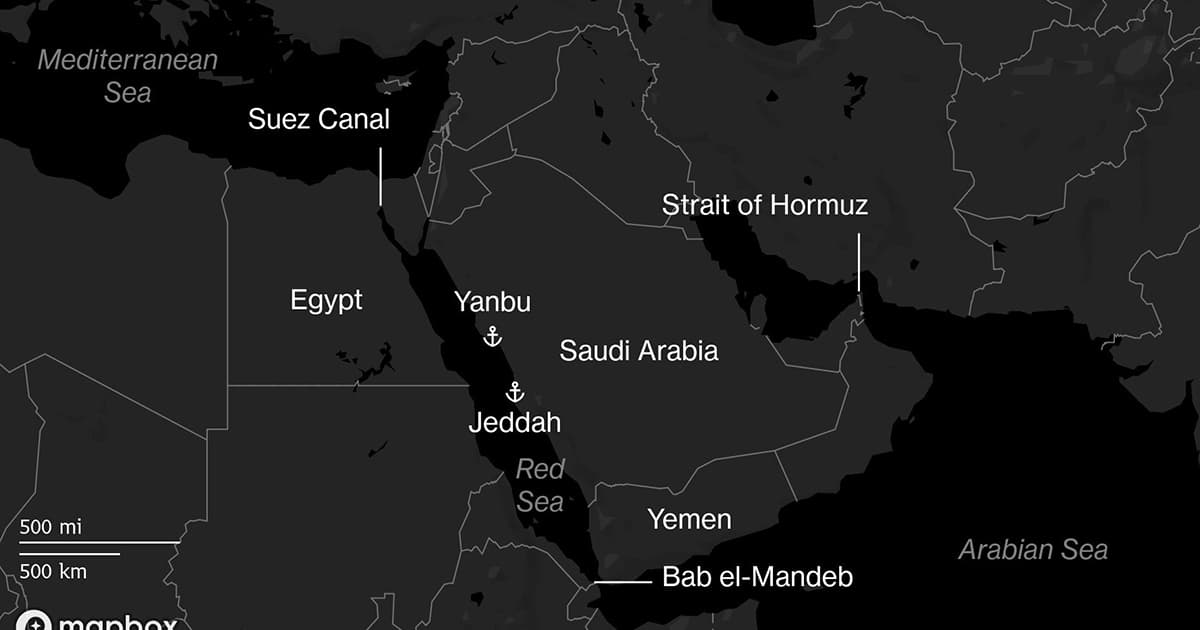
In April, the Suez Canal observed a substantial uptick in tanker traffic, recording 529 transits, which represents a 28% increase year-over-year. This surge was part of a broader rise in activity, as the canal facilitated the passage of 1,182 vessels of all types, marking a 14% increase from the prior year. This heightened usage suggests that ongoing disruptions or security concerns in the Strait of Hormuz may be prompting a diversion of maritime traffic, particularly for oil tankers, towards the Suez Canal.
For freight forwarders and operations managers, this trend could imply increased demand and potential congestion in the Suez Canal, affecting transit times and potentially leading to higher canal fees or war risk premiums for certain vessel types. Shippers reliant on routes through the Middle East should monitor geopolitical developments closely, as shifts in preferred transit corridors can impact scheduling and costs. The diversion of vessels also highlights the critical role of alternative routes in maintaining supply chain fluidity amidst regional instability.