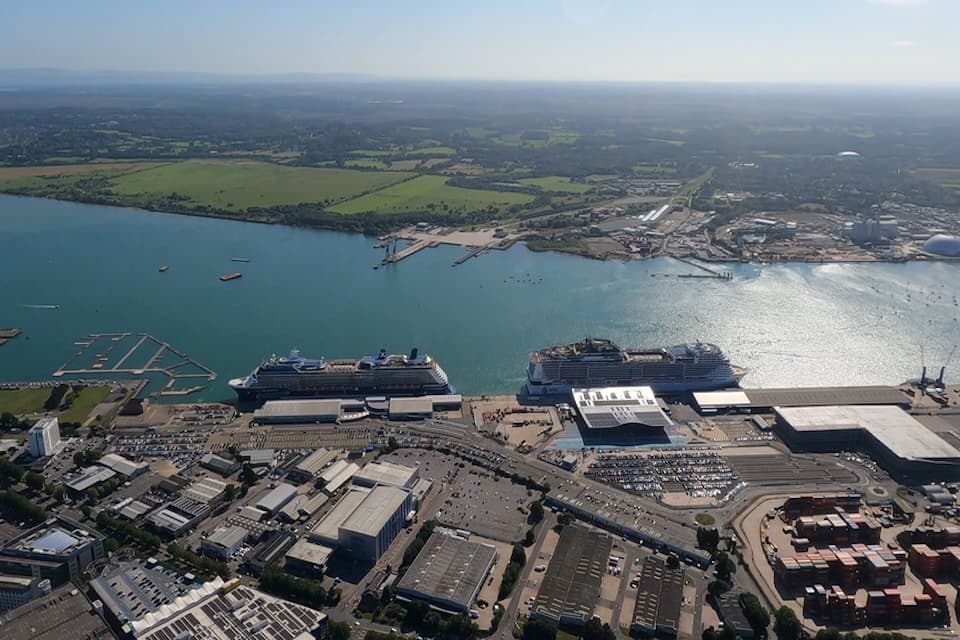
Associated British Ports (ABP) and DP World are both implementing distinct decarbonization programs at the Port of Southampton. ABP is currently testing a substantial battery energy storage system, which is designed to optimize energy consumption and potentially integrate renewable energy sources. Concurrently, DP World is conducting trials of electric heavy goods vehicles (HGVs) within its port operations, aiming to reduce direct emissions from freight movement.
These parallel initiatives highlight a growing industry focus on sustainable logistics solutions. For freight forwarders and operations managers, such developments at key ports like Southampton indicate a future shift towards greener supply chains. While immediate rate impacts may not be evident, these trials lay the groundwork for reduced carbon footprints in port-to-door logistics, potentially influencing carrier selection and compliance with future environmental regulations. The successful integration of these technologies could lead to more efficient and environmentally friendly port operations, benefiting shippers seeking sustainable transport options.
Both organizations aim to gather data from these trials to assess the viability and scalability of these technologies for broader implementation across their respective networks, contributing to the UK's overall decarbonization goals.