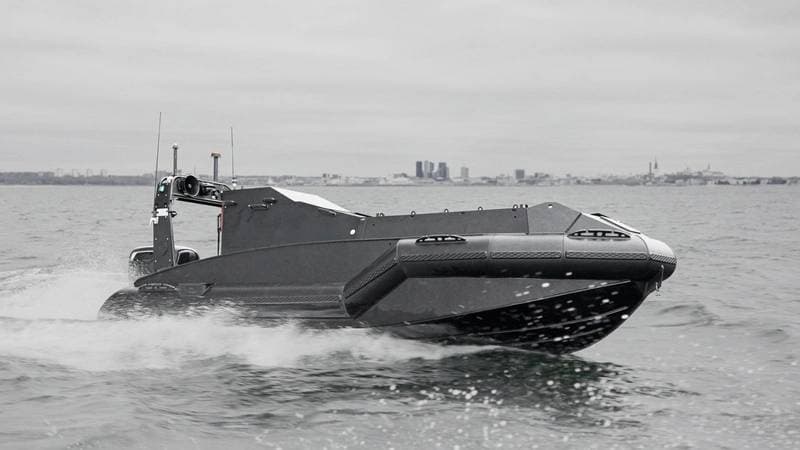
The U.S. Department of the Navy has announced the selection of seven companies to move forward into the at-sea testing phase of its Medium Unmanned Surface Vessel (MUSV) marketplace initiative. This development is part of a broader program aimed at enhancing the Navy's autonomous maritime capabilities. The selected companies will participate in the MUSV Family of Systems development, which is designed to foster innovation in unmanned surface vessel technology.
This program represents a strategic investment by the U.S. Navy in future naval operations, emphasizing the integration of unmanned systems for various missions. The at-sea testing phase is crucial for evaluating the performance and reliability of these advanced maritime platforms in real-world conditions.
For freight forwarders and supply chain professionals, while this news directly pertains to military applications, it signals a long-term trajectory towards increased autonomy in maritime operations. Advancements in unmanned vessel technology within the defense sector often pave the way for commercial applications. In the future, such technologies could influence commercial shipping by offering new possibilities for route optimization, remote monitoring, and potentially even crewless operations in specific, controlled environments, leading to enhanced operational efficiency and safety protocols. However, widespread commercial adoption would require significant regulatory and infrastructural developments.
The next steps involve rigorous at-sea evaluations to determine the most effective and robust solutions for the Navy's requirements.