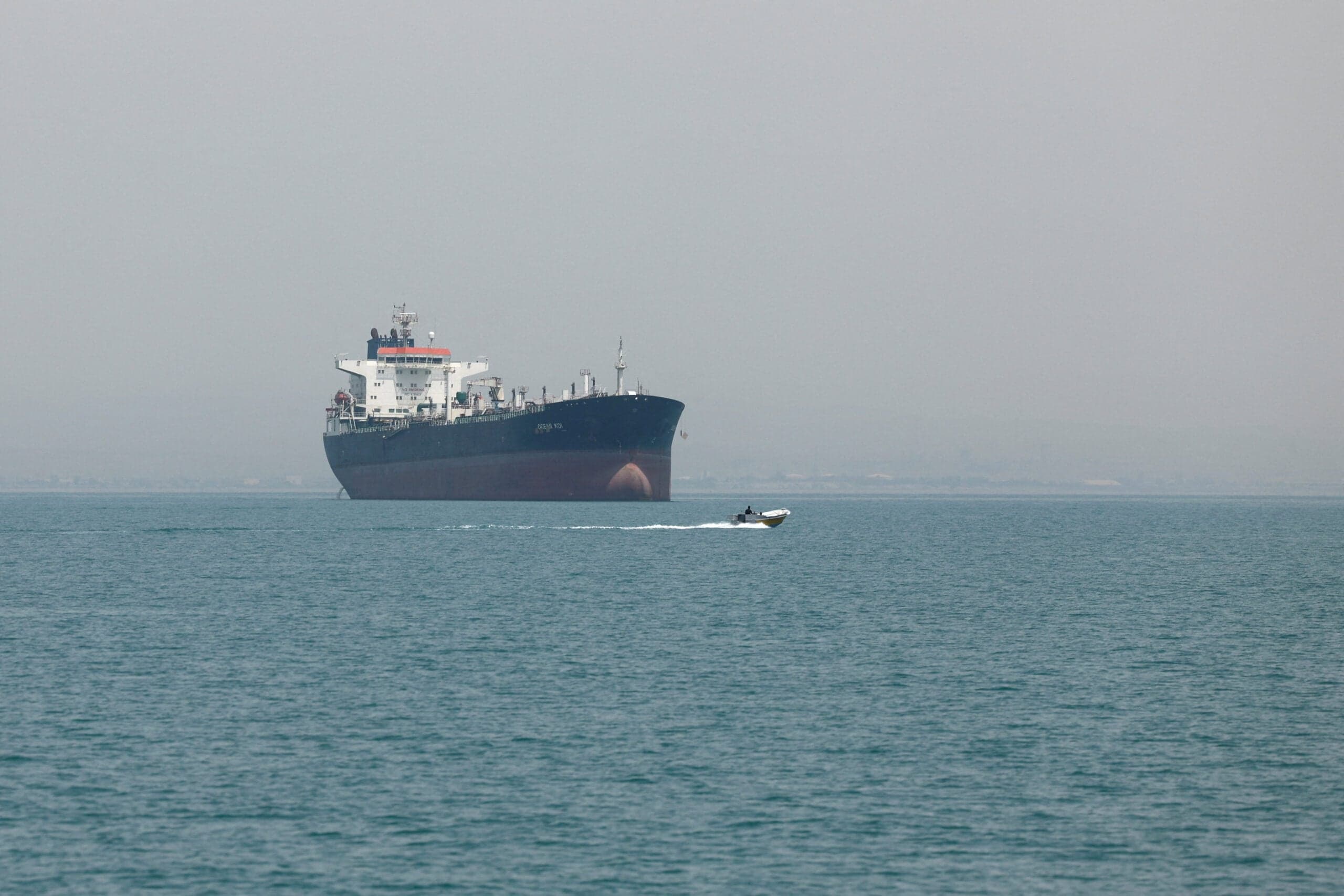
A second commercial tanker has reportedly been struck while navigating the Strait of Hormuz, highlighting a significant escalation in the security challenges within this vital maritime passage. This incident follows previous attacks, underscoring persistent tensions in the region and the increasing risks to international shipping.
The Strait of Hormuz is a crucial chokepoint for global oil and gas shipments, connecting the Persian Gulf to the open ocean. Disruptions here can have far-reaching effects on energy markets and global supply chains. The current situation reflects ongoing geopolitical friction, particularly between the United States and Iran, which has manifested in various maritime incidents over time.
For freight forwarders and shippers, this development means increased operational risks and potential disruptions to vessel schedules. War risk insurance premiums for transiting the Strait of Hormuz are likely to rise, directly impacting shipping costs. Carriers may also consider alternative, longer routes to avoid the perceived danger, leading to extended transit times and higher fuel consumption. This could result in surcharges and capacity adjustments, requiring forwarders to re-evaluate their routing strategies and communicate potential delays to clients.
The situation remains fluid, and further incidents could lead to more stringent security measures or even broader rerouting decisions by major shipping lines. Monitoring geopolitical developments and carrier advisories will be crucial for managing supply chain continuity.